%201.avif)


Why Does My Child Walk on Their Toes?
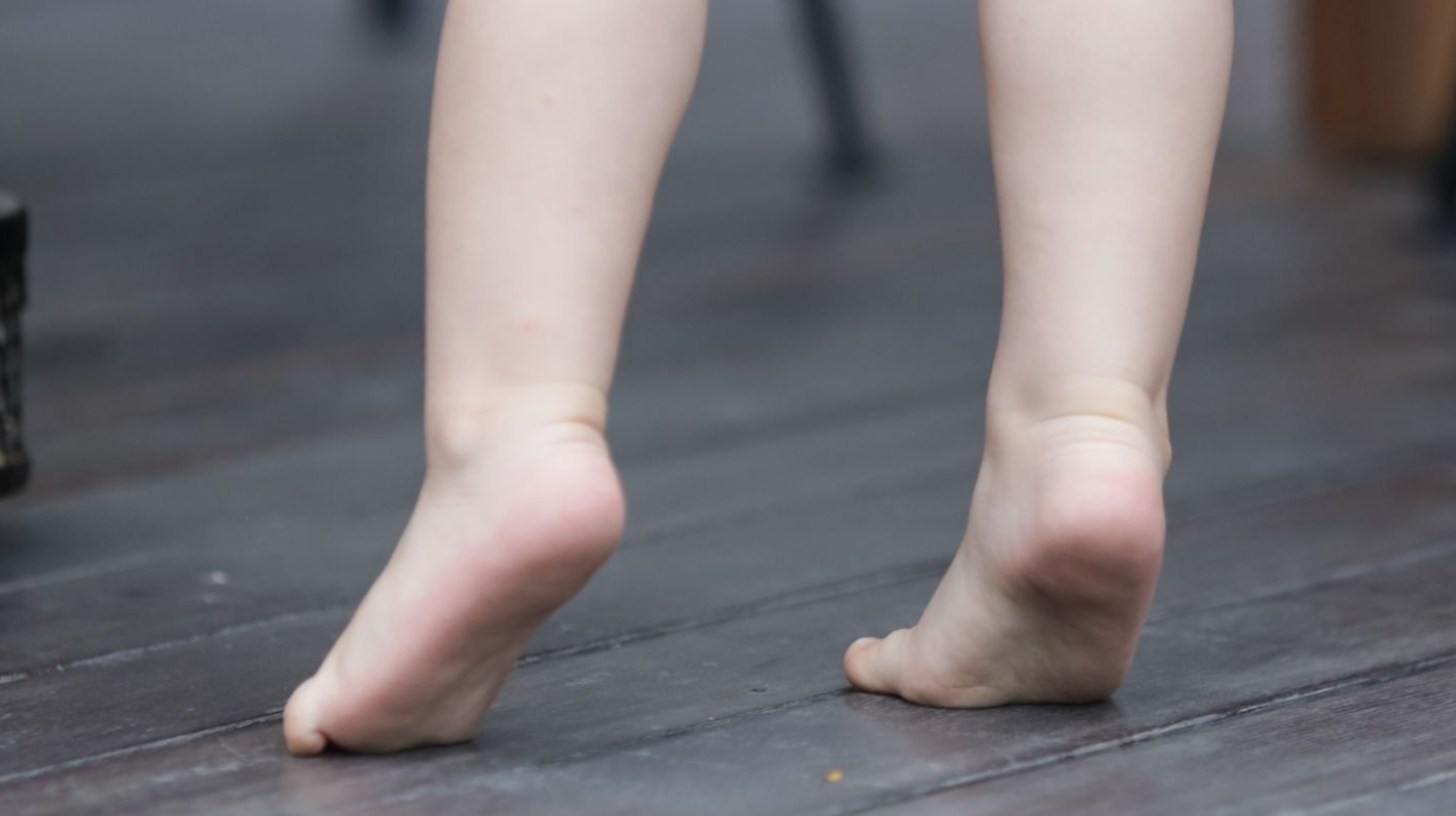
Most children walk on their toes because it is simply a habit they picked up while learning to walk, and it is very common. Toddlers naturally experiment with different ways of moving, and toe walking is part of that process. The majority outgrow it on their own by age 2 or 3 without any treatment at all.
However, if your child is still toe walking past age 2, or if the toe walking is getting worse instead of better, it is worth paying attention. In a small number of cases, persistent toe walking can be connected to a tight Achilles tendon, a neurological condition, or a developmental difference. Studies show that about 5% of otherwise healthy children still toe walk at age 5, and the prevalence jumps to over 40% in children with neurological or developmental conditions.
At Northern Ankle Foot Associates, we see children with toe walking concerns regularly. Our pediatric foot and ankle specialists assess each child's gait, muscle flexibility, and overall development to find out whether the toe walking is harmless habit or something that needs treatment. In this article, we will cover all the reasons children toe walk, the ages and signs that matter, and what can be done about it.
What Is Toe Walking?
Toe walking is a pattern of walking where a child steps on the balls of their feet and toes without the heels touching the ground. Picture someone walking on tiptoes all the time. That is what toe walking looks like.
It is completely normal during the first year or two of learning to walk. Babies and toddlers are still figuring out balance and coordination, and walking on tiptoes is one of the patterns they try out. Most switch to a normal heel-to-toe walking pattern as they gain confidence and strength. The concern comes when the pattern continues well beyond the toddler years.
Common Causes of Toe Walking in Children
Idiopathic Toe Walking (Habit)
The most common reason a child walks on their toes is habit. In medical terms, this is called "idiopathic toe walking," which simply means there is no known medical reason for it. The child can walk flat-footed when asked to. Their muscles, nerves, and bones are all normal. They just prefer to walk on their toes.
Idiopathic toe walking sometimes runs in families. If one of the parents was a toe walker as a child, there is a higher chance the child will be too. Research from a Swedish population study found that about 2% of healthy 5-year-olds were still actively toe walking, and another 3% had previously toe walked but stopped on their own before age 5.5.
For most of these children, the habit fades with time. But if it continues past age 3 or 4, the calf muscles and Achilles tendon can start to tighten, which makes it harder for the child to stop on their own.
A Short or Tight Achilles Tendon
The Achilles tendon connects the calf muscles to the heel bone. In some children, this tendon is shorter or tighter than normal, which physically prevents the heel from reaching the ground during walking. The child is not choosing to toe walk. They cannot get their heel down comfortably.
This can happen for a few reasons. Some children are born with a shorter tendon. Others develop tightness over time because of prolonged toe walking, which creates a cycle where the habit tightens the tendon, and the tight tendon reinforces the habit.
When the Achilles tendon is the issue, stretching exercises, physical therapy, or serial casting (where a series of casts gradually stretch the tendon over weeks) can often fix the problem.
Cerebral Palsy
Cerebral palsy is a group of disorders that affect movement, muscle tone, and posture. It is caused by damage to the developing brain, usually before or during birth. Children with cerebral palsy often have increased muscle tone (spasticity) in their legs, which can pull them up onto their toes.
Toe walking caused by cerebral palsy usually looks different from habitual toe walking. The child may also have stiff legs, an unsteady gait, difficulty with coordination, or delays in other motor skills like sitting, crawling, or standing. If toe walking comes with any of these signs, a thorough neurological evaluation is important.
Muscular Dystrophy
Muscular dystrophy is a group of genetic conditions that cause muscles to weaken and waste away over time. Toe walking can be an early sign, especially in Duchenne muscular dystrophy, the most common form in children. What makes this different from habitual toe walking is that the child may have walked normally at first and then started toe walking as the muscles in the legs began to weaken.
Other signs to watch for include frequent falls, trouble climbing stairs, difficulty getting up from the floor, and enlarged calf muscles. If your child started walking normally and then began toe walking later, this is something to bring up with a specialist.
Autism Spectrum Disorder
There is a well-known connection between toe walking and autism spectrum disorder (ASD). Research shows that the prevalence of persistent toe walking is significantly higher in children with ASD compared to children without it, roughly 6% versus 1.5% in one large study.
It is very important to understand that toe walking alone does not mean a child has autism. Many children toe walk for reasons that have nothing to do with ASD. But if toe walking shows up alongside other signs like delayed speech, difficulty with social interaction, repetitive behaviors, or sensory sensitivities, it is worth discussing with your child's doctor.
Sensory Processing Differences
Some children toe walk because of how they process sensory input. They may dislike the feeling of certain textures on their feet, or they may seek the extra sensory input that comes from walking on their toes. This is sometimes called sensory-related toe walking and can occur with or without an autism diagnosis.
Children with sensory processing differences may also be sensitive to loud noises, bright lights, certain clothing fabrics, or strong tastes and smells. If your child avoids putting their feet flat on certain surfaces but walks normally on others, sensory processing could be a factor.
When Should You Worry About Toe Walking?
Age Matters
Toe walking before age 2 is almost never a concern. Between ages 2 and 3, it is worth keeping an eye on but not necessarily alarming. After age 3, if the toe walking continues regularly and the child is not growing out of it, an evaluation is a good idea.
Warning Signs That Need Attention
Not all toe walking is the same. Some patterns deserve a closer look. Here are the signs that should prompt a visit to a specialist:
- Your child cannot put their heels on the ground at all, even when standing still
- The toe walking started after a period of normal walking
- Your child's legs feel stiff or their movements look awkward or uncoordinated
- There are delays in other areas of development, such as speech or social skills
- Your child falls more often than other children the same age
- The toe walking is affecting balance or daily activities
- There is pain or discomfort in the calves, feet, or ankles
If any of these apply, it does not necessarily mean something serious is wrong. But it does mean an assessment can help rule out underlying conditions and give you peace of mind.
What Happens if Toe Walking Is Not Treated?
Changes to the Foot and Ankle
When a child walks on their toes for a long time, the calf muscles and Achilles tendon can shorten permanently. This makes it harder and harder for the child to walk with their heels down, even if they want to. Over time, the ankle joint itself can become stiff and lose range of motion.
Persistent toe walking can also change the shape of the foot. The ball of the foot may widen from bearing extra weight, and the heel bone may become smaller or narrower than normal. These structural changes can create problems that follow the child into adulthood.
Balance and Falling Risks
Walking on the toes reduces the contact area between the foot and the ground, which makes balance harder. Children who toe walk are at greater risk of tripping and falling, especially on uneven surfaces. As the child gets older, this can limit their ability to participate in sports and physical activities with confidence.
Social and Emotional Impact
This is something that does not get talked about enough. As children grow older, persistent toe walking can draw attention from classmates. Kids notice when another child walks differently, and that awareness can lead to self-consciousness or teasing. Addressing toe walking early helps avoid this added layer of difficulty.
How a Pediatric Foot and Ankle Specialist Evaluates Toe Walking
The Assessment Process
When a parent brings a child to us with toe walking concerns, we start by watching how the child walks. We look at whether they can put their heels down when asked, how their knees and hips move, and whether the gait looks smooth or stiff. We check the flexibility of the ankle joint and the tightness of the calf muscles and Achilles tendon.
We also ask about the child's developmental history: when they started walking, whether they have met other milestones on time, and whether there is a family history of toe walking. This information helps us determine whether the toe walking is idiopathic or if something else might be going on.
When Further Testing Is Needed
In most cases, a physical exam and gait observation are enough to guide the plan. But if there are signs pointing to a neurological or muscular condition, additional testing may be recommended. This could include imaging of the foot and ankle, a referral for a neurological evaluation, or blood tests to check for conditions like muscular dystrophy.
Dr. Robyn Joseph and our team approach every pediatric case with care, looking at the whole child rather than just the feet. If we suspect a condition beyond our scope, we collaborate with pediatric neurologists and other specialists to make sure the child gets the right care.
Treatment Options for Toe Walking
Observation and Stretching
For young children with idiopathic toe walking, the first step is often just watching and waiting while encouraging stretching. Gentle calf stretching exercises done at home can help keep the Achilles tendon flexible. Standing on a step with the heels hanging over the edge and slowly letting gravity stretch the calves is one of the simplest and most effective approaches.
Parents can also encourage flat-footed walking during play by having the child walk up hills, squat down to pick up toys, or play games that require heel contact with the ground.
Physical Therapy
If stretching at home is not enough, a physical therapy program can take it further. A pediatric physical therapist can work on calf flexibility, leg strength, balance, and coordination. They can also address any sensory processing issues that might be contributing to the toe walking.
Serial Casting
For children with a tight Achilles tendon that is not responding to stretching, serial casting is a well-supported treatment. A series of short leg casts are applied over several weeks, each one gradually stretching the tendon into a better position. Research shows that serial casting is one of the most effective non-surgical treatments for idiopathic toe walking.
Each cast is worn for about 1 to 2 weeks before it is removed and replaced with a new one in a slightly more stretched position. Most children need 3 to 6 casts to achieve a good result.
Ankle-Foot Orthoses (AFOs)
Ankle bracing and AFOs are custom-made braces that hold the ankle in a neutral position and encourage a normal walking pattern. They can be worn inside shoes and are often used after casting to maintain the gains. Some children use AFOs as a first-line treatment when casting is not yet needed.
The limitation of AFOs is that they work while they are being worn. Some children go back to toe walking once the brace is removed, especially if the underlying habit or tightness has not been fully addressed.
Surgery
Surgery is reserved for cases where conservative treatments have not worked and the Achilles tendon is significantly tight. The most common procedure is an Achilles tendon lengthening, where the surgeon carefully lengthens the tendon to allow the heel to reach the ground. Recovery involves casting and physical therapy afterward.
Research suggests that surgery provides the best long-term results for persistent toe walking, especially in children who have not responded to casting or bracing. However, it is always the last option, not the first.
Frequently Asked Questions
Is It Normal for Kids to Walk on Their Toes Sometimes?
Yes, it is very normal for toddlers to toe walk occasionally, especially when they are first learning to walk. Most children move to a heel-to-toe pattern by age 2 or 3. If your child only toe walks some of the time and can easily walk flat when asked, there is usually nothing to worry about. If it is constant and continues past age 3, it is worth getting checked.
When Should I Worry About Toe Walking?
You should see a specialist if your child still toe walks regularly after age 2 to 3, cannot get their heels to the ground when standing, has stiff or tight leg muscles, shows delays in other areas of development, or if the toe walking started after a period of walking normally. Any of these can be a sign that something beyond habit is going on.
Can a Child Toe Walk and Not Be Autistic?
Absolutely. The vast majority of children who toe walk do not have autism. Idiopathic toe walking, or toe walking from habit, is far more common than autism-related toe walking. While there is a known link between persistent toe walking and ASD, toe walking by itself is not a sign of autism. It only becomes a concern for ASD when combined with other developmental differences like delayed speech, social difficulties, or repetitive behaviors.
What Age Do Kids Stop Tiptoeing?
Most children stop toe walking on their own between ages 2 and 5. By age 5, research shows that about half of children who were toe walkers have stopped without any treatment. If your child is still actively toe walking at age 5 or beyond, the chance of it going away on its own drops, and the calf muscles may have already started to tighten. This is a good time to see a pediatric foot specialist.
How to Fix Toe Walking in Kids?
The approach depends on the cause. For habit-based toe walking, calf stretching, physical therapy, and encouraging flat-footed play can help. For children with a tight Achilles tendon, serial casting or ankle bracing may be needed. In stubborn cases, surgery to lengthen the tendon is an option. A foot and ankle specialist can assess your child and recommend the right path based on their specific situation.
Why Is Toe Walking a Red Flag?
Toe walking is considered a red flag when it continues past age 2 to 3, when the child cannot walk flat even when asked, or when it shows up alongside stiff muscles, developmental delays, or coordination problems. In those situations, toe walking can be an early sign of cerebral palsy, muscular dystrophy, or autism spectrum disorder. The toe walking itself is not the red flag. It is the combination of toe walking with other warning signs that prompts further evaluation.
Final Thoughts
Toe walking is one of the most common concerns parents bring to a pediatric foot specialist, and in most cases, the news is reassuring. The majority of children toe walk out of habit and grow out of it on their own. But when it continues, when the muscles tighten, or when other signs point to something more, early evaluation and treatment make a real difference.
The key is knowing when to watch and when to act. If your child is still walking on their toes past age 2 to 3, or if anything about their walking pattern concerns you, trust that feeling. Getting a proper assessment does not mean something is wrong. It means you are making sure your child has the best foundation for healthy movement as they grow.
Our team at Northern Ankle Foot Associates specializes in pediatric foot and ankle conditions, including all forms of toe walking. We take the time to assess the whole picture: gait, flexibility, development, and family history. If treatment is needed, we offer stretching programs, casting, custom bracing, and surgical options when necessary.
Call us at (516) 365-4545 or visit our Manhasset, NY office to schedule an appointment. Your child's feet are still growing, and the right care now sets them up for a lifetime of healthy movement.
Why Choose Northern Ankle Foot Associates

Evaluation Before Treatment
.avif)
Specialist-Led Care
.avif)
Conservative Care First
.avif)
Clear Treatment Path
.avif)
Continuity of Care
.avif)
Long-Term Stability Focus
%201.png)
.avif)
Flexible Financing Options Are Available
%201%20(1).png)
Insights on Foot & Ankle Health


Latest Techniques in Bunion Surgery
.avif)
Orthotics Use and Maintenance | Care Tips for Long-Term Support
Request An Appointment
Get expert foot and ankle care tailored to your needs. Schedule your appointment today.

Areas We Serve
Get expert foot and ankle care tailored to your needs. Schedule your appointment today.
.avif)
%201%20(1).png)


%201.avif)