%201.avif)


When Does an Ingrown Toenail Need to Be Removed by a Podiatrist?
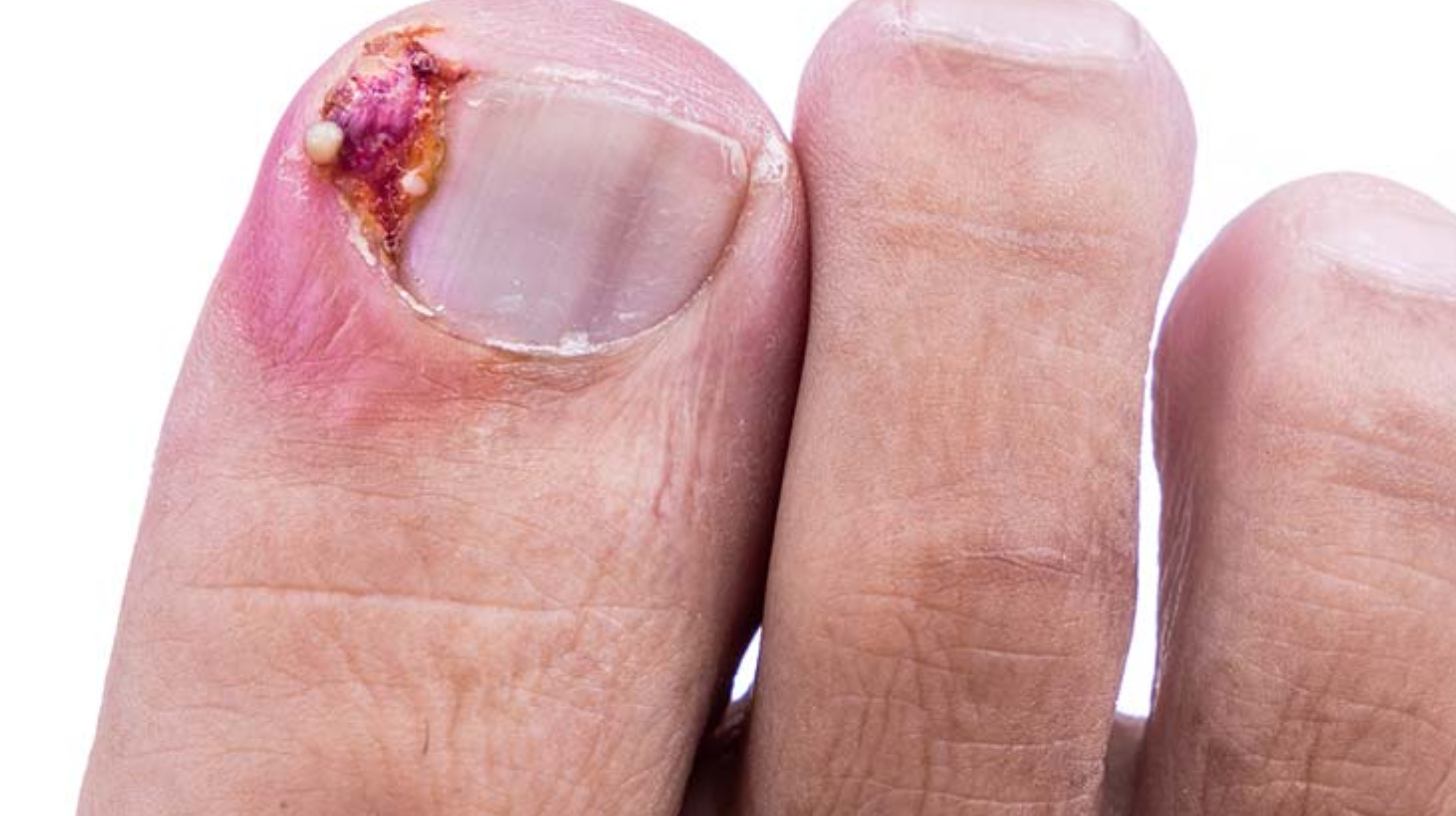
An ingrown toenail needs to be removed by a podiatrist when it keeps coming back, when it has become infected, when home care has not improved it after one to two weeks, or when the pain is bad enough to affect walking and wearing shoes. Removal also becomes the right call much sooner if you have diabetes, poor circulation, or a weakened immune system, because those conditions make waiting genuinely risky.
The word "removal" makes most people picture something far more dramatic than what actually happens. In most cases we are not taking off the whole nail. We remove only the narrow strip of nail that is digging into the skin, the toe is numbed first so the procedure itself does not hurt, and you walk out of the office the same day. It usually takes about 15 to 30 minutes.
At Northern Ankle Foot Associates, we treat ingrown toenails across the full range, from mild cases that respond to conservative care to stubborn ones that have returned five or six times. In this article, we will explain exactly when removal is warranted, what the different procedures involve, what recovery actually looks like, and why doing it yourself tends to backfire.
When Removal Becomes the Right Choice
It Keeps Coming Back
This is the clearest indication. If you have had the same toe flare up two or more times, trimming it again is not going to solve anything. Repeat episodes almost always mean the shape of the nail or the nail root is the problem, and no amount of careful clipping changes the shape of the nail your body grows.
A recurring ingrown toenail is a structural issue. It calls for a structural fix, which is exactly what a properly performed removal provides. If your nail has come back more than once, our approach to recurring ingrown toenails in Manhasset focuses on the nail root rather than repeating the same trim.
There Is an Active Infection
Once the toe is producing pus, feels warm, throbs constantly, or shows spreading redness, home care is no longer enough. Removing the offending piece of nail relieves the pressure and lets the infection drain, which is often the fastest route to relief. Antibiotics alone frequently fail here, because the nail is still embedded in the tissue and continues to drive the infection.
Home Care Has Not Worked in One to Two Weeks
Soaking, gentle lifting, and roomier shoes are reasonable first steps for a mild, first-time ingrown nail. Give it a week or two. If the toe is no better, or if it is getting worse, that is your answer. Continuing the same approach for another month rarely changes the outcome and gives the problem more time to become infected.
The Pain Is Affecting Daily Life
If you are avoiding certain shoes, changing how you walk, losing sleep, or wincing when a bedsheet touches your toe, the situation has passed the point where waiting makes sense. Pain at that level usually means the nail has broken the skin.
Overgrown Tissue Has Formed
When soft tissue starts mounding up over the edge of the nail, the body has been fighting the problem for a while. This tissue, sometimes called granulation tissue, does not resolve on its own while the nail is still embedded. Removal is generally required.
You Have Diabetes, Poor Circulation, or a Weakened Immune System
For these patients the calculation changes completely. Reduced sensation can hide how bad the problem has become, and slow healing lets minor infections take hold and spread. What would be a nuisance for someone else can become a serious foot infection or a wound.
If you have diabetes, we recommend being seen at the first sign of an ingrown toenail rather than attempting home care at all. Our team has advanced training in diabetic foot care, and part of that work is deciding carefully which procedure is appropriate, since patients with circulation problems or neuropathy need a modified approach rather than a standard one.
The Stages of an Ingrown Toenail and What Each One Needs
Understanding which stage you are at makes the decision much clearer:
Stage 1 is where home care earns its keep. By stage 2, the odds of resolving it yourself drop sharply. At stage 3, home remedies are not a realistic option, and attempting them mostly delays relief.
What "Removal" Actually Means
There are three different procedures, and they are not interchangeable. Knowing the difference matters, because choosing the wrong one is a common reason ingrown toenails come back.
Partial Nail Avulsion
This removes just the narrow border of nail that is growing into the skin. The rest of the nail stays put and continues to look normal. It provides fast relief and lets any infection drain.
The limitation is that the nail root is left intact, so that section of nail grows back, typically over 6 to 12 months. If the nail's shape was the underlying cause, it can grow back into the skin again. This procedure is a good choice when the infection is too severe for anything more involved, or when it is your first episode and there is a reasonable chance it will not return.
Partial Nail Avulsion With Matrixectomy
This is the option that actually prevents recurrence, and it is what we most often recommend for repeat cases. After removing the problem border of nail, we treat the nail root in that narrow area with a chemical, usually phenol. That stops that specific strip of nail from growing back at all. The rest of your nail is untouched and looks normal.
Studies of this technique consistently report very low recurrence rates, which is why it has become the standard approach for chronic ingrown toenails. The tradeoff is a slightly longer healing period, which we will cover below.
Total Nail Removal
This is uncommon and reserved for specific situations: a nail that is severely damaged, badly infected underneath the entire plate, or one that has failed repeated partial procedures. Recovery takes about a week or two longer than a partial procedure.
Comparing the Options
What Actually Happens During the Procedure
People tend to dread this far more than the experience warrants, so here is the honest sequence:
- Numbing. We inject a local anesthetic to numb the toe only. This injection is the part most patients feel, and it lasts a few seconds. Nothing after that should hurt.
- Confirming numbness. We check that the toe is fully numb before starting anything.
- Removing the nail border. We make a straight cut and remove the strip of nail digging into the skin, taking it back to the root. No skin is cut, and no stitches are needed.
- Treating the root, if planned. If we are doing a matrixectomy, the chemical is applied to that narrow section of nail root.
- Dressing. The toe is cleaned, treated with an antibiotic ointment, and bandaged. We send you home with supplies and instructions.
The whole thing generally takes 15 to 30 minutes. Most patients tell us the relief afterward is immediate, and that the pain from the ingrown nail itself was worse than anything in the procedure.
Will It Happen on the First Visit?
Often, yes. If the toe is straightforward and you are otherwise healthy, we can frequently treat it the same day you come in. There are exceptions. A severely infected toe sometimes needs the infection controlled first. Patients with diabetes, circulation problems, or certain medications need a proper assessment before we proceed. We would rather take an extra step than perform a procedure on a foot that is not ready for it.
Recovery: What to Actually Expect
The First Few Days
You can walk out of the office and walk normally the same day. That said, resting and elevating your foot for the first two days meaningfully improves how the first week goes. Keep the dressing dry and follow the bandage instructions we give you.
For pain, over-the-counter medication is almost always sufficient. Most patients report less pain than they had before the procedure.
Weeks One Through Three
We usually see you back within one to two weeks to check healing. Expect to be comfortable in a normal closed shoe by around week two or three.
One thing worth knowing in advance: if you had a matrixectomy, clear to yellowish drainage for two to four weeks is normal and expected. The chemical creates a small, controlled wound that heals slowly. Patients sometimes panic at this, assuming it is infected. Thick, green, or foul-smelling drainage, spreading redness, or fever are different and worth calling us about.
Returning to Activity
Walking is fine right away. Hold off on running, jumping, and high-impact exercise for roughly two weeks so the nail bed can heal without repeated pressure and bleeding. Most people are back to full activity somewhere between weeks two and four. Avoid pools, lakes, and hot tubs while there is still an open or draining area.
Speeding Recovery Along
The aftercare that actually matters is unglamorous: keep the area clean and dry, change dressings as directed, wear roomy shoes that do not press on the toe, elevate your foot when you can, and come to your follow-up appointment. Skipping the follow-up is the most common way a small issue turns into a bigger one.
Why Home Removal Goes Wrong
We understand the impulse. The toe hurts, the nail is right there, and digging it out feels like it should work. In practice it usually makes things worse for a few predictable reasons.
Cutting a V-shape in the nail does nothing, because nails grow forward from the root, not inward from the tip. Digging along the nail edge with clippers or a needle pushes bacteria deeper into tissue that is already broken. It also tends to leave behind small sharp fragments called spicules, which continue growing into the skin and cause the exact problem you were trying to fix. And cutting the nail shorter, which feels intuitive, lets the skin fold over the edge and traps the nail as it grows.
There is also the matter of what we can do that you cannot. We numb the toe first, work with sterile instruments, remove the nail cleanly all the way back to the root, and can treat the nail root to stop recurrence. Dr. Robyn Joseph and our team also assess why it happened, whether that is nail shape, footwear, a fungal nail infection distorting the nail, or crowding from a bunion pressing your toes together. Treating the nail without identifying the cause is how people end up back in the same chair a year later.
Frequently Asked Questions
Will a Podiatrist Remove an Ingrown Toenail on the First Visit?
Frequently, yes. For a healthy patient with a straightforward ingrown toenail, the procedure can usually be done the same day you are seen. It is quick, done under local anesthesia, and does not require a hospital or advance preparation. Removal may be postponed if the toe has a severe infection that needs controlling first, or if you have diabetes, circulation problems, or other health factors that require assessment before a procedure.
What Does a Podiatrist Do for an Ingrown Toenail?
We start by examining the toe to determine the stage, check for infection, and assess your overall foot health and circulation. Mild cases may be treated conservatively with careful trimming, lifting the nail edge, and guidance on footwear and nail care. For infected or recurring cases, we numb the toe and remove the strip of nail growing into the skin, often treating the nail root at the same time to stop it from growing back. We also look for the underlying cause so the problem does not simply repeat.
Is It Worth Getting an Ingrown Toenail Removed?
For a recurring or infected ingrown toenail, yes. Patients regularly tell us their main regret is waiting so long. The procedure takes under half an hour, uses local anesthesia, and when the nail root is treated it permanently ends the cycle for that nail border. Compare that to years of repeated flare-ups, pain, and infections. For a mild first-time case, conservative care is worth trying first, but there is little reason to endure a third or fourth episode.
How Painful Is Ingrown Toenail Removal Surgery?
The procedure itself is not painful because the toe is fully numbed first. The one thing you will feel is the anesthetic injection, which stings briefly for a few seconds. After that, patients typically feel pressure and movement but no pain. Afterward, over-the-counter pain medication is usually all that is needed, and most people report less discomfort than the ingrown nail was causing beforehand.
How Long Does It Take to Walk After Ingrown Toenail Removal?
You can walk immediately. This is done in the office and does not affect your ability to bear weight. We do recommend resting and elevating the foot for the first two days to reduce throbbing and swelling. Most patients are comfortable in a regular closed shoe within two to three weeks, and back to running and high-impact activity by around weeks two to four.
What Can I Do to Speed Up Ingrown Toenail Recovery?
Keep the area clean and dry, change dressings exactly as instructed, and wear shoes with a wide toe box that do not press on the toe. Elevate your foot when you are sitting, especially in the first two days. Skip swimming and soaking in pools or hot tubs until the area is fully closed. Hold off on high-impact exercise for about two weeks. And attend your follow-up visit, since catching a small problem early is what prevents a longer recovery.
What Happens if You Cannot Get an Ingrown Toenail Out?
If the nail edge is embedded and you cannot free it with soaking and gentle lifting, stop trying. Continued digging pushes bacteria deeper, damages the nail bed, and often leaves behind sharp nail fragments that keep growing into the skin. An embedded nail edge that will not release is a clear signal that it needs professional removal, where the toe can be numbed and the nail taken out cleanly all the way back to the root.
Final Thoughts
An ingrown toenail needs professional removal when it keeps returning, when it becomes infected, when a week or two of home care has not helped, or when the pain is interfering with your day. If you have diabetes or circulation problems, that threshold moves much earlier, and home treatment is not the right approach at all.
The procedure is far smaller than most people imagine. In most cases only a narrow strip of nail comes out, the toe is numbed so it does not hurt, you walk out the same day, and when the nail root is treated the problem does not come back on that border. The most common thing we hear afterward is some version of "I should have done this years ago."
Our team at Northern Ankle Foot Associates performs ingrown toenail removal in the office, and we take the time to figure out what caused the problem so it does not repeat. We also assess whether removal is the right step for you at all, since not every ingrown toenail needs a procedure.
Call us at (516) 365-4545 or visit our Manhasset, NY office to schedule an appointment. If the same toe has been giving you trouble for a while, one short visit can settle it for good.
Why Choose Northern Ankle Foot Associates

Evaluation Before Treatment
.avif)
Specialist-Led Care
.avif)
Conservative Care First
.avif)
Clear Treatment Path
.avif)
Continuity of Care
.avif)
Long-Term Stability Focus
%201.png)
.avif)
Flexible Financing Options Are Available
%201%20(1).png)
Insights on Foot & Ankle Health

Latest Techniques in Bunion Surgery
.avif)
Orthotics Use and Maintenance | Care Tips for Long-Term Support
Request An Appointment
Get expert foot and ankle care tailored to your needs. Schedule your appointment today.

Areas We Serve
Get expert foot and ankle care tailored to your needs. Schedule your appointment today.
.avif)
%201%20(1).png)


%201.avif)