%201.avif)


What Happens if Toenail Fungus Is Left Untreated?
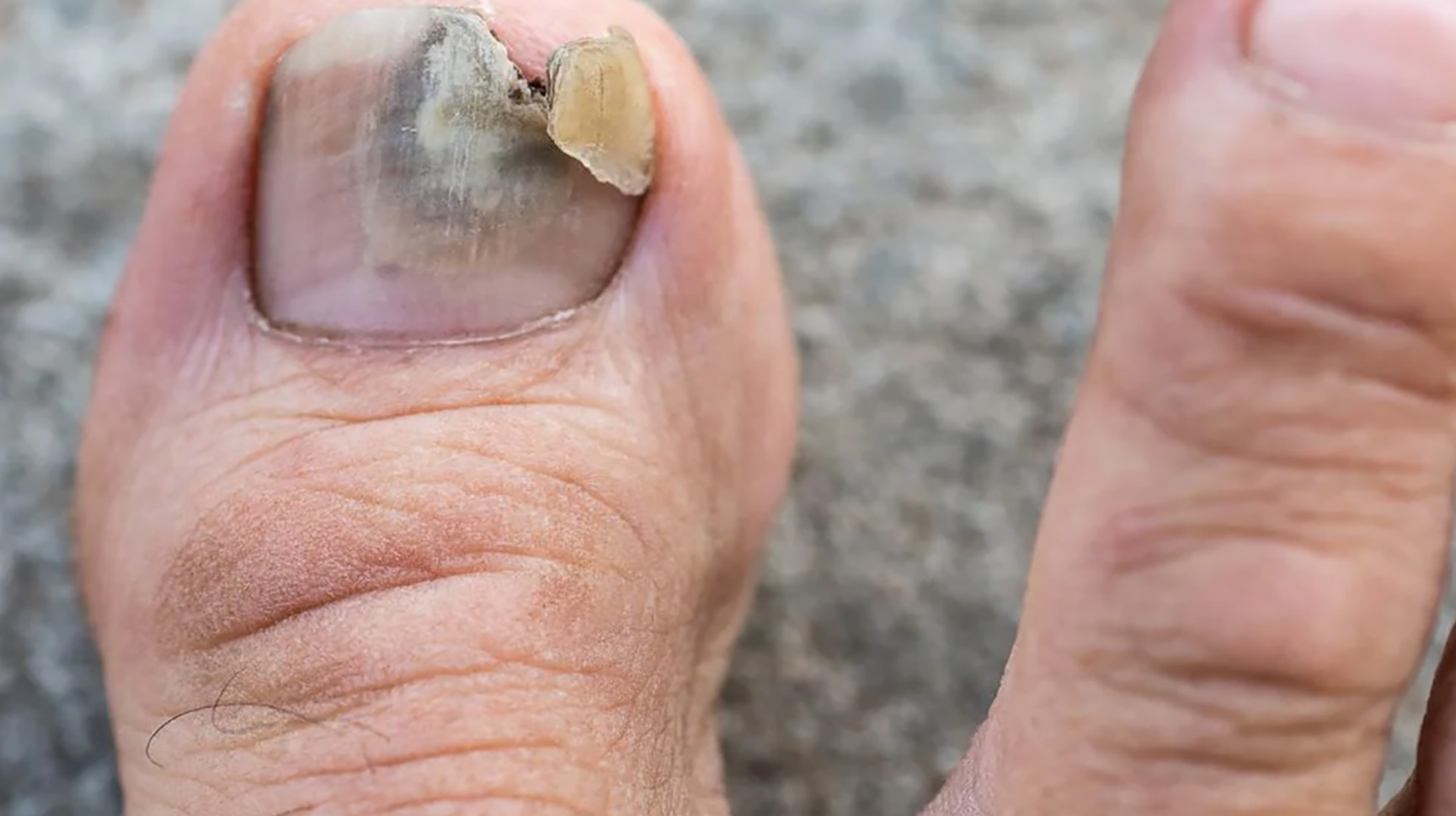
If toenail fungus is left untreated, it does not stay a small cosmetic problem. The infection works deeper into the nail, causing thickening, crumbling, and distortion that can make walking and wearing shoes painful. It also spreads, first to your other toenails, then to the skin of your feet, and sometimes to other people in your household. In more serious cases, a damaged nail creates an opening for bacteria, which can lead to a painful skin infection.
Toenail fungus does not go away on its own. It is a persistent infection, and it becomes harder to treat the longer it is left alone. Onychomycosis, the medical name for fungal nail infection, affects an estimated 10% of the general population, and that number climbs to around 50% of people over age 70.
At Northern Ankle Foot Associates, we treat toenail fungus at every stage, from a faint spot under the nail tip to nails that have thickened and separated after years of neglect. In this article, we will walk through exactly what happens as the infection progresses, the complications most people do not expect, who is most at risk, and what treatment looks like.
How Toenail Fungus Progresses Over Time
It Starts Small and Easy to Ignore
Most fungal nail infections begin as a small white or yellow spot under the tip of the toenail. There is usually no pain at this stage, which is exactly why so many people leave it alone. The nail looks slightly off, but nothing hurts, so there seems to be no reason to act.
This early window is the easiest time to treat the infection. The fungus has not penetrated deep into the nail plate or the nail bed underneath, and treatment tends to work faster and more reliably.
The Fungus Moves Deeper
Left alone, the fungus grows down into the nail plate and the nail bed. The nail starts to change in ways that are harder to overlook. Discoloration spreads across more of the nail, turning it yellow, brown, or white. The nail thickens. It becomes brittle and starts to crumble at the edges. The shape of the nail distorts.
At this point, the fungus is living inside a hard, dense structure that topical treatments struggle to reach. This is the core reason untreated fungus becomes stubborn: the thicker the nail gets, the harder it is for medication to penetrate.
The Nail Separates From the Nail Bed
As the infection advances, the nail can lift away from the skin underneath. This is called onycholysis. The gap that forms between the nail and the nail bed creates a warm, moist pocket where fungus and bacteria both thrive. It also means the nail is no longer doing its job of protecting the tissue underneath.
In severe cases, the nail becomes so damaged and detached that it needs to be removed, either because it is beyond saving or because removal is the only way to properly treat what is underneath.
The Complications of Untreated Toenail Fungus
Pain and Difficulty Walking
Early fungal nails do not hurt. Advanced ones often do. A thickened, misshapen nail presses against the inside of your shoe with every step. That pressure can cause aching, tenderness, and sharp pain in the toe. Standing for long periods, walking distances, or running can become genuinely uncomfortable.
For many of our patients, this is the point where they finally come in. The infection stopped being a cosmetic concern and started interfering with daily life.
It Spreads to Your Other Nails
Fungus does not stay put. From one infected nail, it commonly spreads to the nails beside it, and over time it can involve most or all of the toenails on that foot. It can also spread to the other foot, and in some cases to the fingernails.
Each newly infected nail is another site that needs treatment, which is one reason early care saves so much time and hassle later.
It Spreads to the Skin of Your Feet
The same fungus that infects nails also infects skin. When it moves to the skin between and under the toes, it causes athlete's foot, known medically as tinea pedis. This brings itching, burning, redness, peeling, and cracked skin.
There is a two-way relationship here worth understanding. Athlete's foot can lead to fungal nails, and fungal nails can lead to athlete's foot. Once both are present, they feed each other, and treating only one often means the other brings it right back.
Cracked Skin Opens the Door to Bacterial Infection
This is the complication people underestimate. Healthy nails and intact skin act as a barrier against bacteria. When fungus causes the nail to crack, lift, or crumble, and when it leaves the surrounding skin split and raw, bacteria have a clear route in.
The result can be cellulitis, a bacterial infection of the skin and the tissue beneath it. Cellulitis causes redness, swelling, warmth, and pain, and it typically needs antibiotics to clear. In people with weakened immune systems or poor circulation, these infections can become significantly more serious and require more aggressive treatment.
It Can Contribute to Ingrown Toenails
A fungal nail is often thick, curved, and irregularly shaped. That distorted shape makes it much more likely to press or grow into the skin at the nail edge. We frequently see patients whose recurring ingrown toenails trace back to an underlying fungal infection that was never addressed. Treating the ingrown nail without treating the fungus tends to produce a temporary fix at best.
It Is Contagious to Other People
Fungal infections spread through shared spaces and shared items. Walking barefoot on a household bathroom floor, sharing towels or bedding, using the same nail clippers, or wearing someone else's shoes can pass the infection along. Fungal spores are hardy and can survive on fabric and surfaces for a surprisingly long time. Untreated fungus means you remain a source of infection for the people you live with.
The Emotional Side
This deserves mention because patients bring it up constantly. Thick, discolored nails make people self-conscious. They avoid sandals, keep their socks on at the pool, skip pedicures, and feel embarrassed in situations where their feet are visible. That is a real cost, and it is one of the more common reasons people finally seek treatment.
Who Faces the Highest Risk From Untreated Fungal Nails
Certain groups need to take fungal nails more seriously than the average person. Here is how the risk breaks down:
Why Diabetes Changes the Calculation
If you have diabetes, a fungal nail is not a cosmetic issue. Nerve damage can dull your ability to feel a developing problem, and reduced circulation slows healing. A thickened nail can press into the skin and create a small wound that you may not feel, and that wound can become an infection or an ulcer.
Our team has advanced training in diabetic foot care, including wound care and infection management. For patients with diabetes, we treat fungal nails proactively rather than waiting for them to cause a problem, because prevention is far easier than managing a foot infection after it develops.
Why Toenail Fungus Will Not Clear Up on Its Own
The Nail Is a Fortress
Fungus lives inside and underneath the nail plate, a dense structure that blocks most treatments from reaching it. Your immune system has limited access there too. This is why "waiting to see if it clears up" almost never works. The infection is protected.
Nails Grow Slowly
Even with effective treatment, clearing fungal nails takes time because you are essentially waiting for a healthy nail to grow out and replace the infected one. Toenails grow slowly, and a full toenail can take up to 12 to 18 months to replace itself. This is not a sign treatment is failing. It is simply the timeline nails operate on, and it is another reason starting earlier matters so much.
Over-the-Counter Products Often Fall Short
Drugstore topical treatments can help with very early, surface-level infections. They frequently struggle with thickened nails or infections that have reached the nail bed, because the product cannot physically get to where the fungus lives. Many patients spend months on over-the-counter products before seeking real treatment, and during that time the infection continues to advance.
How a Foot and Ankle Specialist Treats Fungal Nails
Confirming the Diagnosis First
Not every discolored, thickened nail is fungus. Nail trauma, psoriasis, bacterial infection, and other conditions can look very similar. Treating for fungus when the cause is something else wastes months. We confirm what we are dealing with before building a plan, which sometimes involves testing a nail sample.
Dr. Robyn Joseph and our team also look at the bigger picture during this evaluation, including circulation, nail structure, footwear, and whether athlete's foot is present, since any of those can drive the infection or bring it back.
Treatment Options
Once confirmed, treatment depends on how advanced the infection is, how many nails are involved, and your overall health. Options include:
- Topical antifungal medications prescribed at clinical strength, most effective for mild to moderate infections
- Oral antifungal medication, which works from the inside out and reaches the nail bed through the bloodstream
- Laser toenail fungus treatment, which targets the fungus directly within the nail without medication
- Nail thinning or debridement, reducing nail thickness so treatments can penetrate and the nail causes less pressure
- Partial or complete nail removal for severely damaged nails or when other treatments have not worked
Many patients do best with a combination approach, for example thinning the nail so topical or laser treatment can actually reach the infection.
Treating the Cause, Not Just the Nail
Clearing the current infection is only part of the job. If the conditions that allowed it to develop are still in place, it comes back. That means addressing athlete's foot at the same time, disinfecting or replacing footwear, managing foot moisture, and correcting nail care habits. For patients whose foot structure or gait contributes to repeated nail trauma, we look at that too. This is where a biomechanics-focused evaluation adds real value, because recurring nail problems often have a mechanical cause underneath them.
Frequently Asked Questions
How Do I Know if My Toenail Fungus Is Serious?
Your toenail fungus is more serious when the nail has become thick, crumbly, or distorted, when it has lifted away from the nail bed, when it hurts to walk or wear shoes, or when the infection has spread to several nails or to the surrounding skin. Redness, swelling, or warmth around the nail suggests a bacterial infection has developed on top of the fungus, and that needs prompt attention. If you have diabetes, poor circulation, or a weakened immune system, treat any fungal nail as serious from the start.
Can You Live With Toenail Fungus for Years?
Yes, many people do, and that is exactly the problem. Because early fungal nails are painless, it is easy to live with the infection for a decade or longer. But the fungus does not stay static during those years. It keeps advancing, spreading to more nails and to the skin, thickening the nail until it becomes painful, and becoming progressively harder to treat. Living with it is possible, but it costs far more effort to fix later than it would have earlier.
Is It Okay to Leave Toenail Fungus Untreated?
We do not recommend it. Leaving toenail fungus untreated allows it to spread to your other nails, to the skin of your feet, and to people you live with. It also lets the nail thicken and distort to the point of causing pain, and it creates openings in the skin where bacteria can enter. For people with diabetes or reduced circulation, leaving it untreated carries a genuine risk of a foot infection or wound, so it should always be treated in those cases.
Can Toenail Fungus Get Into Your Bloodstream?
The fungus itself entering the bloodstream is very rare in people with healthy immune systems. The more realistic concern is indirect: fungus damages the nail and cracks the skin, and those openings let bacteria in. That can cause cellulitis, a bacterial skin infection that occasionally spreads deeper and requires prompt medical treatment. For people who are immunocompromised, have diabetes, or have poor circulation, the risk of a spreading infection is meaningfully higher, which is why they should not wait to have fungal nails treated.
What Is the Final Stage of Toenail Fungus?
In the most advanced stage, sometimes called total dystrophic onychomycosis, the fungus has taken over the entire nail. The nail is thick, badly discolored, crumbling, and often partly or fully separated from the nail bed. Debris collects underneath, there may be an unpleasant odor, and walking or wearing shoes is usually painful. Nails at this stage frequently need to be thinned down or removed as part of fungal nail treatment in Manhasset, and permanent nail changes are possible even after the fungus is cleared.
Can Foot Fungus Live on Bed Sheets?
Yes. Fungal spores can survive on fabric, including bed sheets, socks, towels, and shoes, which is how the infection often spreads within a household or comes back after treatment. Washing bedding and socks in hot water, keeping your feet dry, not sharing towels, and disinfecting or replacing old shoes all help. If your fungus keeps returning after treatment, the items your feet contact are one of the first places we look.
What Not to Do With Toenail Fungus?
Do not try to dig out, file down aggressively, or cut into an infected nail at home, since that can damage the nail bed and open the door to bacterial infection. Do not share nail clippers, socks, towels, or shoes. Do not cover the nail with polish for long stretches, as that traps moisture. Do not walk barefoot in locker rooms or public showers. And do not assume it will clear on its own, because delay is what turns a simple case into a stubborn one.
Final Thoughts
Untreated toenail fungus follows a predictable path. It thickens and distorts the nail, spreads to neighboring nails and to the skin, becomes painful enough to affect walking and footwear, and opens the door to bacterial infection. None of this happens overnight, which is exactly what makes it easy to postpone. But the infection is not standing still, and every month it advances makes treatment longer and harder.
The encouraging part is that fungal nails respond well to proper treatment, particularly when the infection is caught before the nail thickens. And because nails grow slowly, starting sooner meaningfully shortens the time until you see a clear, healthy nail again.
Our team at Northern Ankle Foot Associates specializes in diagnosing and treating fungal toenails, including advanced cases and infections in patients with diabetes. We confirm what is actually causing the nail changes, choose treatment that matches the severity, and address the conditions that let the infection develop so it does not simply return.
Call us at (516) 365-4545 or visit our Manhasset, NY office to schedule an appointment. A nail problem that looks minor today is far easier to fix than the one it becomes in two years.
Why Choose Northern Ankle Foot Associates

Evaluation Before Treatment
.avif)
Specialist-Led Care
.avif)
Conservative Care First
.avif)
Clear Treatment Path
.avif)
Continuity of Care
.avif)
Long-Term Stability Focus
%201.png)
.avif)
Flexible Financing Options Are Available
%201%20(1).png)
Insights on Foot & Ankle Health


Latest Techniques in Bunion Surgery
.avif)
Orthotics Use and Maintenance | Care Tips for Long-Term Support
Request An Appointment
Get expert foot and ankle care tailored to your needs. Schedule your appointment today.

Areas We Serve
Get expert foot and ankle care tailored to your needs. Schedule your appointment today.
.avif)
%201%20(1).png)


%201.avif)