%201.avif)


What Causes Bunions to Get Worse Over Time?
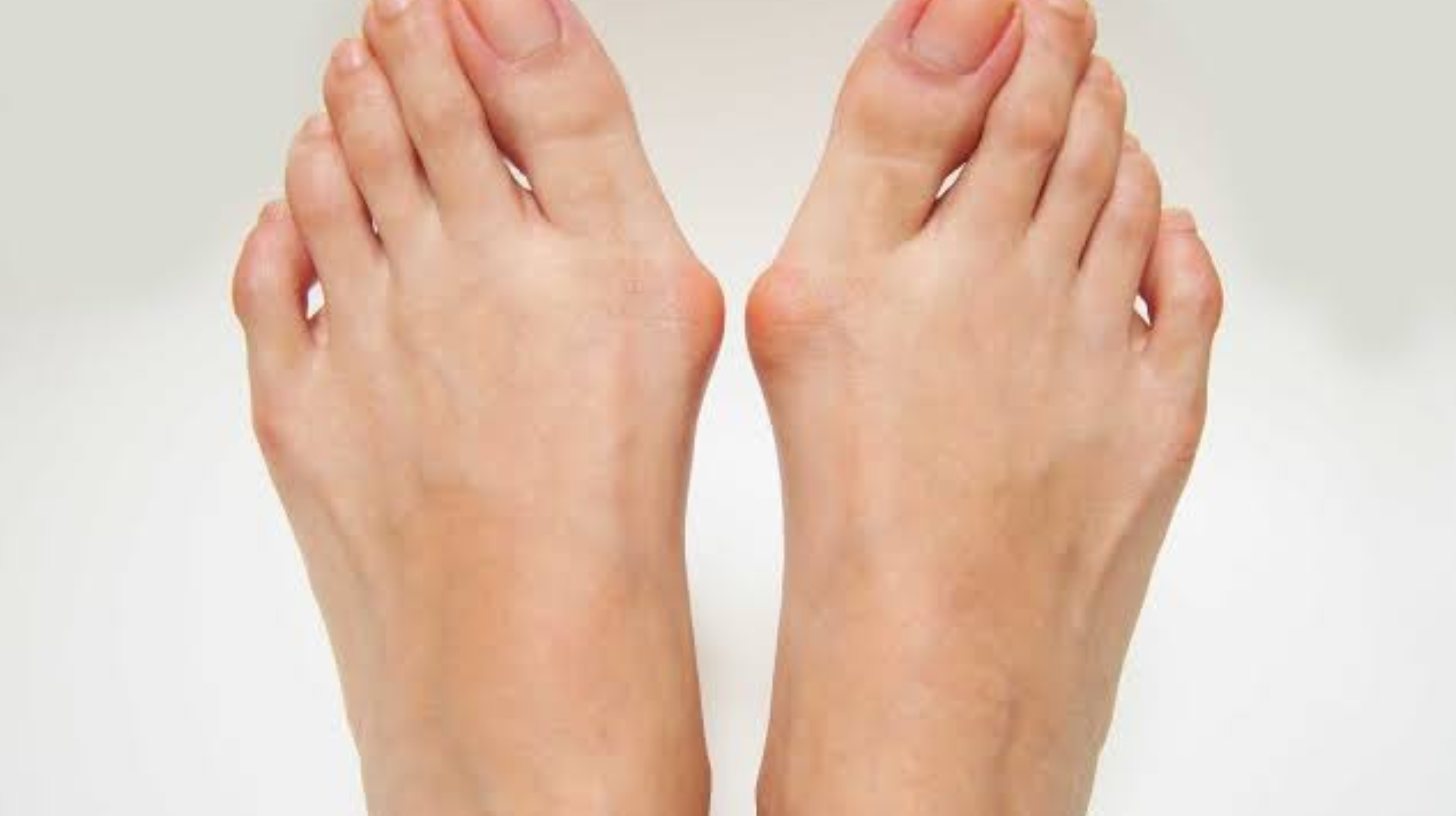
Bunions get worse over time because once the big toe joint shifts out of line, the muscles and tendons crossing that joint start pulling the toe further in the wrong direction. The very tissues that used to hold your toe straight now work against it. Every step you take reinforces the new position, which is why bunions are considered progressive rather than stable.
On top of that built-in cycle, several outside factors speed things up. Narrow or high-heeled shoes, flat feet, extra body weight, long hours standing on hard floors, tight calf muscles, and normal aging all add pressure to a joint that is already unstable. Research suggests roughly 60% to 80% of bunions progress when nothing is done about them.
The part most people find frustrating is that a bunion cannot be reversed by shoes, stretches, or over-the-counter devices. What those things can do, sometimes very effectively, is slow the progression and control the pain. At Northern Ankle Foot Associates, forefoot correction is one of our core areas, and we treat bunions at every stage from a barely noticeable bump to advanced deformity. This article covers why bunions progress, what accelerates them, what you can actually control, and when a bunion becomes a surgical conversation.
Why Bunions Are Progressive by Nature
What a Bunion Actually Is
A bunion is not a growth of extra bone stuck onto the side of your foot, which is how most people picture it. It is a shift in the alignment of the bones at the base of your big toe. The medical name is hallux valgus.
Two things happen at once. The long bone behind your big toe, the first metatarsal, drifts outward toward the edge of your foot. Meanwhile the big toe itself angles inward toward the second toe. The bump you see and feel is the head of that drifting metatarsal now sticking out where it was never meant to be.
That distinction matters. You are not looking at a lump that could be filed down. You are looking at a joint that has moved.
The Cycle That Feeds Itself
This is the core reason bunions worsen, and it is the piece most explanations leave out.
Tendons run across your big toe joint to move and stabilize it. When the joint sits in normal alignment, those tendons pull the toe in a straight line. But once the metatarsal drifts outward and the toe angles inward, the tendons are no longer pulling along a straight path. They now cross the joint at an angle, and their pull actively bends the toe further out of position.
Think of a tent pole that has started leaning. The guy lines that were holding it upright are now pulling it sideways, and the more it leans, the harder they pull it over. Bunions behave the same way. Structures meant to stabilize the joint become the force driving the deformity.
There is a second mechanical problem. Two small bones called sesamoids sit underneath the big toe joint and help it push off. As the metatarsal drifts, it slides off these bones rather than carrying them along. That further degrades how the joint functions, weakening your push-off and shifting load elsewhere in the forefoot.
Bunions Do Not Reverse on Their Own
Because this is a bone alignment problem, no amount of rest, stretching, or padding moves the bones back. There is no credible evidence that splints, toe spacers, or corrective socks reverse an established bunion deformity.
We say this plainly because patients often spend months and real money on products that promised correction. Those products can genuinely help with comfort, and comfort is worth something. But they do not change the angle of the bones, and treating them as a cure means the progression continues unaddressed.
What Makes a Bunion Get Worse Faster
Narrow Shoes and High Heels
Footwear does not create most bunions, but it can push an existing one along quickly. A narrow or pointed toe box squeezes your big toe inward, holding it in the exact position the deformity is already heading toward. Hours a day in that position, year after year, adds up.
High heels compound the problem by tilting your weight forward onto the forefoot and pressing your toes into the narrowest part of the shoe. You get sustained pressure and sustained compression at the same time.
Flat Feet and Overpronation
This is one of the most significant accelerators and one of the least recognized by patients. When your arch collapses, your foot rolls inward and your weight shifts onto the inner side of the forefoot, right onto the big toe joint. The joint then absorbs force it was not designed to handle, repeatedly.
If you have flat feet along with a bunion, the two are almost certainly related, and controlling the arch is usually central to slowing the bunion down. This is a case where treating the bump alone misses the mechanism.
An Unstable First Joint
Some people have extra motion at the joint where the first metatarsal meets the midfoot. That looseness allows the metatarsal to drift more easily under load. Patients with this pattern often see faster progression, and it changes which surgical procedure is appropriate if it comes to that, since stabilizing the unstable joint may be part of the correction.
Tight Calf Muscles
A tight calf and Achilles limit how far your ankle can flex upward. Your body compensates by rolling the foot inward and loading the forefoot earlier and harder in each step. More forefoot pressure means faster bunion progression. This is one of the more fixable contributors, which is why calf flexibility is part of most plans we build.
Body Weight and Time on Your Feet
Every pound travels through your forefoot with each step. Extra weight increases the force driving the metatarsal outward. Occupation matters for the same reason. Nurses, teachers, retail and restaurant workers, and anyone standing on hard floors for long shifts subject the joint to far more cumulative load than someone seated most of the day.
High-impact activity without proper support has a similar effect, particularly running in shoes with a narrow forefoot or worn-out cushioning.
Aging
Feet change with age. Ligaments and soft tissue lose some of their stiffness, which allows more drift at the joint. Feet also tend to spread and lengthen over the decades. Bunion prevalence reflects this clearly: it affects roughly 23% of adults between 18 and 65, and rises to around 36% of adults over 65.
Inflammatory Arthritis and Joint Laxity
Rheumatoid arthritis and other inflammatory conditions damage the soft tissue that holds joints in position, which can cause rapid bunion progression. Connective tissue disorders that create generalized joint looseness have a similar effect. Patients in these groups need closer monitoring, and we coordinate with rheumatology when the underlying disease is driving the foot changes.
Genetics
You largely inherit your foot structure, and family history is common among bunion patients. Genetics do not doom you to a severe bunion, but they do set your starting point and often your baseline rate of change. It also means that if bunions run in your family and you are noticing early changes, acting sooner is sensible.
What You Can Control and What You Cannot
The useful takeaway is that the left column is where most of the progression speed lives. You cannot change your genetics, but footwear, arch support, and calf flexibility are all modifiable, and they carry real weight in how fast things move.
The Stages of Bunion Progression
Specialists grade bunions by measuring the angle between the big toe and the first metatarsal on an X-ray. Here is roughly how that maps to what you experience:
The important pattern here is that treatment options narrow as the stage advances. Early bunions have the most non-surgical room. Severe bunions have the least, and they often require more extensive procedures than a moderate bunion would have. Knowing your stage is the starting point for any hallux valgus care plan, which is why we measure it rather than estimate by appearance.
What Happens as a Bunion Keeps Progressing
The Second Toe Gets Pushed Out of Place
As the big toe drifts inward, it presses against the second toe. That toe has to go somewhere, so it buckles upward or shifts sideways. This is a common route to hammertoes, and in advanced cases the big toe ends up overlapping or tucking under the second toe entirely.
Corns, Calluses, and Bursitis
Pressure from the bump against your shoe irritates the skin and the fluid-filled sac over the joint. You get corns, thickened calluses, and sometimes a swollen, tender, inflamed bursa that flares up painfully.
Arthritis Develops in the Joint
A joint working out of alignment wears unevenly. Over years, the cartilage breaks down and arthritis sets in, bringing stiffness and pain that persists even without shoe pressure. Once the joint has significant arthritis, the correction needed becomes more involved, because it is no longer just an alignment problem.
Pain Moves to the Ball of Your Foot
When the big toe can no longer push off properly, the second and third metatarsals absorb the work instead. Patients often describe new pain under the ball of the foot, sometimes with a sensation like walking on a pebble. In some cases this overload contributes to a stress fracture of the second metatarsal.
Walking and Balance Change
Your big toe contributes meaningfully to push-off and balance. As it loses function, your gait adapts, and that altered pattern can create knee, hip, and back complaints. For older adults, reduced big toe function is associated with poorer balance, which matters for fall risk.
How to Slow a Bunion Down
Footwear That Actually Helps
Look for a wide, rounded toe box with no seams pressing on the bump, a heel under two inches, a firm midsole, and adequate arch support. Fit the shoe to your widest foot at the end of the day when your feet are largest. If you can see your bump straining the upper of the shoe, the shoe is working against you.
Custom Orthotics
Because overpronation is such a common accelerator, custom orthotics are frequently the most valuable non-surgical measure. By supporting the arch and controlling how your foot rolls, they reduce the inward load driving the metatarsal outward. Store-bought inserts help some people with mild symptoms, but they are built for an average foot, and bunion mechanics are specific to your foot.
To be straightforward about it: orthotics slow progression and reduce pain. They do not straighten the toe.
Calf Stretching and Strengthening
Daily calf and Achilles stretching reduces forefoot loading and is genuinely worth doing. Strengthening the muscles that support your arch helps for the same reason. These are small habits with a real cumulative effect.
Padding, Icing, and Activity Adjustments
Bunion pads and shields cushion the bump against your shoe. Ice and anti-inflammatory medication manage flare-ups. Swapping some high-impact activity for lower-impact options reduces cumulative force through the joint.
Being Realistic About What Does Not Work
Splints, toe separators, and taping can feel good and may help symptoms. They do not correct bone alignment, and there is no reliable evidence they reverse the deformity. Foot exercises marketed as bunion correctors fall in the same category. Use them for comfort if they help, but not as a substitute for addressing the mechanics.
When Surgery Enters the Conversation
Surgery becomes the reasonable option when pain persists despite conservative care, when the deformity limits your daily activities or your ability to wear reasonable shoes, when other toes are being pushed out of position, or when the joint is developing arthritis.
Pain and function drive this decision, not the size of the bump. A large, painless bunion may need nothing at all. A moderate, constantly painful one may warrant correction.
Bunion surgery is not a single operation. The right procedure depends on the severity of the deformity, whether the first joint is unstable, whether arthritis is present, and your activity demands. That is precisely why the evaluation matters as much as the surgery, and why a specialist assessment beats a generic recommendation.
How We Evaluate a Progressing Bunion
Forefoot reconstruction and bunion correction are central to what we do, and our evaluation reflects that focus. We examine the joint's range of motion and flexibility, check whether the deformity is still correctable by hand or has become rigid, and assess stability at the joint behind the metatarsal. We watch you walk to see how your arch behaves under load and how you push off. We measure the deformity angles on weight-bearing X-rays, since a bunion looks different standing than lying down. We also look at your other toes, your calf flexibility, and your shoe wear patterns.
Dr. Robyn Joseph and our team approach it this way because the bump is the symptom, not the mechanism. Two patients with identical-looking bunions can need different plans depending on what is driving each one. When something falls outside foot and ankle care, such as an underlying inflammatory condition, we say so and coordinate with the right specialist rather than treating around it.
Frequently Asked Questions
Do Bunions Always Get Worse Over Time?
Most do, but not all, and not at the same speed. Estimates suggest 60% to 80% progress without intervention. Some bunions stay relatively stable for years, particularly in people with favorable foot mechanics and sensible footwear. Others advance steadily. The rate depends heavily on your foot structure, whether you overpronate, your shoes, your weight, and how much time you spend on your feet.
How Fast Do Bunions Progress?
Usually slowly, over years rather than months. Most people notice gradual change: the bump becoming more prominent, shoes fitting differently, the big toe leaning further toward the second toe. Faster progression tends to occur with significant overpronation, inflammatory arthritis, generalized joint looseness, or consistent wear of narrow high-heeled shoes. Sudden worsening over weeks is unusual and worth having evaluated.
Can You Stop a Bunion From Getting Worse?
You can often slow it substantially, though you cannot guarantee it stops. Supportive footwear with a wide toe box, custom orthotics to control overpronation, calf stretching, weight management, and reducing prolonged forefoot loading all reduce the forces driving the deformity. What none of these do is realign the bones. They manage the mechanics and the pain, which for many patients is enough to stay comfortable for a long time.
Can Bunions Be Reversed Without Surgery?
No. A bunion is a change in bone alignment, and only surgery repositions bone. Devices marketed as non-surgical bunion correctors, including splints and toe spacers, have no reliable evidence behind claims of reversing the deformity. They may ease discomfort, and that is a legitimate reason to use them, but they should not be relied on as correction.
What Makes Bunion Pain Suddenly Worse?
Common triggers include a new pair of narrow or stiff shoes, a jump in standing hours or high-impact activity, weight gain, and flare-up of the bursa over the joint. Cold weather sometimes aggravates arthritic joint pain. A sudden increase in pain can also signal that arthritis is developing in the joint or that the second toe is becoming involved, both of which are worth evaluating rather than waiting out.
Do Bunion Splints and Toe Spacers Work?
They can improve comfort by holding the toe in a less irritated position and reducing pressure, and some patients find them genuinely useful at night. What they do not do is correct the deformity. Once the bones have shifted, an external device worn part of the day cannot overcome the tendon forces working on that joint all day. Consider them a comfort measure, not a treatment for the underlying problem.
When Should You See a Specialist About a Bunion?
See a foot and ankle specialist when the bunion becomes painful, when you are struggling to find shoes that fit, when the big toe is visibly drifting toward the second toe, when other toes start changing shape, or when the joint feels stiff. Coming in early is worthwhile even without much pain, because early bunions have the widest range of non-surgical options and the best chance of being slowed down.
Final Thoughts
Bunions get worse because of a cycle built into the deformity itself. Once the joint shifts, the tendons crossing it pull the toe further out of line, and every step reinforces the new position. Narrow shoes, flat feet, tight calves, extra weight, long hours standing, and aging all push that cycle along faster.
Understanding this changes what you do about it. You cannot stretch or brace a bunion straight, and products claiming otherwise are not supported by evidence. What you can do is reduce the forces driving progression, primarily through proper footwear and arch support, and address the pain while options are still broad. Early bunions have far more room to work with than advanced ones, and that gap is the strongest argument for having it looked at sooner.
Our team at Northern Ankle Foot Associates specializes in bunion treatment and forefoot correction, including both conservative management and surgical reconstruction when it is warranted. We assess what is actually driving your bunion, whether that is arch collapse, joint instability, or calf tightness, and build the plan around that rather than around the bump.
Call us at (516) 365-4545 or visit our Manhasset, NY office to schedule an appointment. If your bunion is changing or your shoes have stopped fitting the way they used to, that is a good reason to get ahead of it.
Why Choose Northern Ankle Foot Associates

Evaluation Before Treatment
.avif)
Specialist-Led Care
.avif)
Conservative Care First
.avif)
Clear Treatment Path
.avif)
Continuity of Care
.avif)
Long-Term Stability Focus
%201.png)
.avif)
Flexible Financing Options Are Available
%201%20(1).png)
Insights on Foot & Ankle Health

Latest Techniques in Bunion Surgery
.avif)
Orthotics Use and Maintenance | Care Tips for Long-Term Support
Request An Appointment
Get expert foot and ankle care tailored to your needs. Schedule your appointment today.

Areas We Serve
Get expert foot and ankle care tailored to your needs. Schedule your appointment today.
.avif)
%201%20(1).png)


%201.avif)