%201.avif)


Signs Your Child Has Flat Feet That Need Treatment
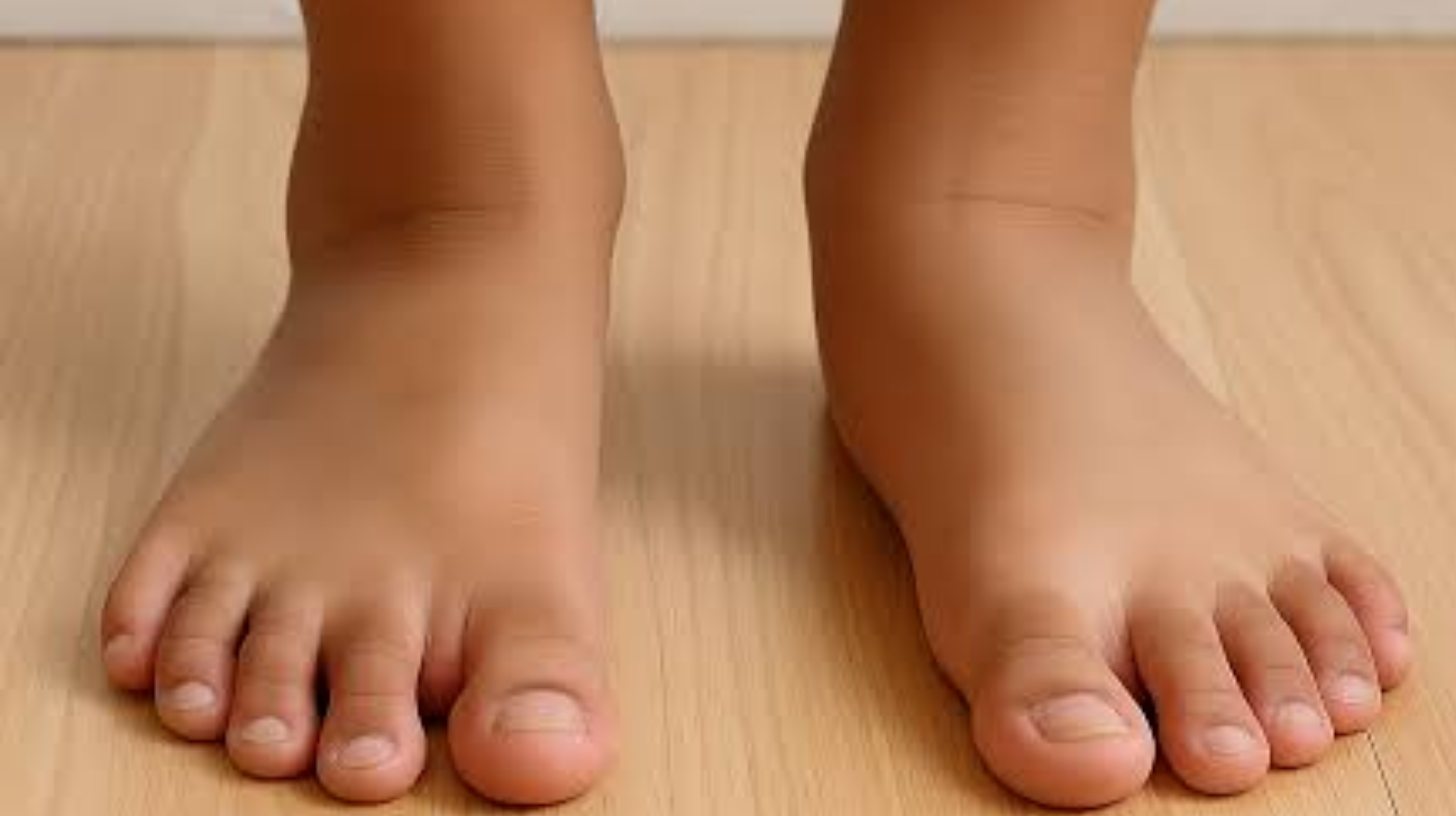
Most children with flat feet do not need any treatment at all, but there are specific signs that mean yours might. Your child's flat feet may need treatment if they cause foot, ankle, knee, or leg pain, if your child tires easily or asks to be carried more than other kids, if the arch stays flat even when they stand on their tiptoes, if one foot looks clearly different from the other, or if the flat feet come with clumsiness or trouble keeping up during activity.
Here is the reassuring part. Flat feet in young children are usually a normal stage of development. Babies are born without arches, and most arches form on their own between ages 2 and 6. A flat foot that looks flat but works fine and causes no pain is almost always nothing to worry about. The signs above are what separate that ordinary situation from the smaller number of cases that benefit from a specialist's help.
At Northern Ankle Foot Associates, we evaluate flat feet in children with one main goal: sorting the feet that just need time from the feet that need treatment. In this article, we will walk through the signs that matter, the crucial difference between flexible and rigid flat feet, when to watch versus when to act, and what treatment actually looks like.
Flat Feet in Children Are Usually Normal
Why Kids' Feet Look Flat
Every baby is born with flat feet. The arch simply has not developed yet, and a pad of baby fat fills in the space where the arch will eventually be. As a child grows, walks, and their muscles and ligaments strengthen, the arch gradually rises. For most kids this happens somewhere between ages 2 and 6, though some arches keep developing up to around age 10.
This is why flat feet are so common in young children and why they alarm parents unnecessarily so often. Up to 1 in 5 children have flat feet, and the large majority never have a single problem from them.
The Kind of Flat Feet You Do Not Need to Worry About
A flat foot that causes no pain, does not slow your child down, and forms an arch when they rise onto their toes is what specialists call a flexible flatfoot. This is the common, benign type. It needs no treatment, no special shoes beyond ordinary supportive ones, and no inserts. Your child can run, play, and do everything else without restriction.
Knowing this matters, because a lot of families spend money and worry on flat feet that were always going to be fine. The goal is not to treat every flat foot. It is to identify the few that actually need help.
The Signs That Flat Feet Need Treatment
Pain Is the Most Important Sign
Pain changes everything. A flat foot that hurts is a flat foot worth evaluating. Children may report aching in the foot, arch, heel, ankle, or lower leg, often after walking or activity. Some feel it in the knee or even up into the leg, because flat feet change how force travels up the body. In older children and teens, untreated symptomatic flat feet can contribute to ankle, knee, or back complaints over time.
One important detail: children are not always good at telling you they hurt. They may not have the words, or they may assume the discomfort is normal. So watch for the behaviors that signal pain even when your child does not name it.
Your Child Tires Quickly or Asks to Be Carried
This is one of the clearest indirect signs. If your child constantly wants to be carried, avoids walking or running, gives up on physical activity faster than other kids, or lags behind peers during sports and play, their feet may be the reason. Flat feet that make walking tiring can quietly hold a child back before anyone connects it to their arches.
The Arch Stays Flat on Tiptoes
This is the single most useful check you can do at home, and it distinguishes the harmless type from the concerning type. Ask your child to stand and rise onto their tiptoes. Watch the inside of the foot.
- If an arch appears when they go on tiptoes, the flatfoot is flexible. This is the common, usually harmless type.
- If the foot stays completely flat even on tiptoes, that points toward a rigid flatfoot, which is far more likely to need treatment and evaluation.
A rigid flat foot that will not form an arch in any position can signal a structural cause, and it deserves a professional assessment. This is exactly the kind of case our children's flat feet evaluations in Manhasset are built to sort out.
One Foot Looks Different From the Other
Flat feet are usually symmetrical. When only one foot is flat, or one is noticeably flatter than the other, that asymmetry is worth checking. A one-sided flatfoot is more likely to have a specific underlying cause than two feet that developed the same way.
Stiffness or Limited Motion
If your child's foot or ankle seems stiff, if they cannot move the ankle through a normal range, or if the foot seems locked in a flattened position, that stiffness is a red flag. Healthy flexible flat feet move freely. A stiff, flat foot does not, and stiffness is one of the hallmarks of a rigid flatfoot.
Clumsiness, Tripping, or an Unusual Walk
Frequent tripping, an awkward or uneven walking pattern, feet that point outward noticeably, or shoes that wear out unevenly and quickly can all suggest the flat feet are affecting how your child moves. These signs are worth mentioning at an evaluation.
Skin Changes on the Feet
Calluses or sore spots on the inner edge of the foot can develop when a flat foot loads unevenly. These pressure signs indicate the foot mechanics are off and worth a look.
Flexible vs Rigid Flat Feet: The Distinction That Matters Most
This is the heart of the whole topic. The most important thing a specialist determines is whether your child's flat feet are flexible or rigid, because the two have very different implications.
Flexible Flatfoot
In a flexible flatfoot, the arch is there when the foot is not bearing weight but flattens when the child stands. Looser ligaments allow the arch to collapse under body weight and spring back when the pressure comes off. This is the type most children have, and it is almost always harmless when it is painless. Treatment is only considered if it causes pain or clearly affects activity.
Rigid Flatfoot
A rigid flatfoot stays flat in every position, standing or not, on tiptoes or flat. This points to a structural cause rather than simple flexibility. Possible causes include tarsal coalition, where two of the foot bones are abnormally connected or fused, a tight or short Achilles tendon limiting motion, or other bone and joint issues. Rigid flat feet are more likely to hurt, more likely to limit movement, and more likely to need treatment. They warrant a specialist evaluation.
The Tight Achilles Connection
Sometimes a flat foot looks flexible but a tight Achilles tendon is quietly making it symptomatic. A short or tight heel cord limits how the foot moves and increases strain on the arch. This is one of the things an exam can uncover that a home check might miss, and it is often very treatable with stretching.
When to Watch and When to Act
Age Is Part of the Picture
Because arches develop over years, timing matters. Flat feet in a toddler are almost always just normal development and need nothing but ordinary supportive shoes and observation. By around age 6, most arches have formed. If a child still has flat feet after about age 8 to 10, spontaneous arch development becomes less likely, so this is the window where a persistent flat foot with symptoms is worth addressing rather than continuing to wait.
A Simple Rule of Thumb
Watch and wait is reasonable when the flat feet are painless, flexible (an arch appears on tiptoes), symmetrical, and not slowing your child down. Get an evaluation when there is pain, when the foot stays flat on tiptoes, when only one foot is affected, when there is stiffness, or when activity is clearly limited.
If you are ever unsure, an evaluation is worthwhile in itself. It is common to leave one simply reassured that everything is developing normally, and that peace of mind has value.
Do Not Wait if You See These
Some situations deserve prompt attention rather than monitoring: a rigid foot that will not form an arch in any position, flat feet that appeared or worsened suddenly, a foot that looks visibly deformed, significant pain, or flat feet alongside developmental delays or other health conditions. Certain genetic and connective tissue conditions are associated with flat feet, and an evaluation helps rule those in or out.
What Treatment Looks Like When It Is Needed
For Symptomatic Flexible Flat Feet
When flexible flat feet cause pain or affect activity, treatment is usually conservative and effective. It often starts with:
- Supportive footwear, meaning a firm-soled, well-fitting shoe with good heel and arch support, which reduces discomfort and pressure.
- Achilles and calf stretching, since tightness there frequently drives symptoms and stretching relieves them.
- Custom orthotics, shoe inserts molded to your child's foot, used to support the arch and ease pain when symptoms warrant them.
- Physical therapy, to strengthen the muscles that support the arch and improve overall lower-leg function.
One honest point worth making: orthotics do not build an arch or "cure" flexible flat feet, and they are not needed for painless flat feet. Their job is to relieve symptoms and support the foot when there are symptoms to relieve. Used for the right child, they help a great deal. Used on every flat foot, they are unnecessary.
For Rigid Flat Feet
Rigid flat feet require figuring out the underlying structural cause first, which may involve imaging. Treatment depends on what is found. Some cases respond to bracing, orthotics, or activity changes. Others, particularly those that stay painful despite conservative care, may eventually need surgical correction. Surgery is uncommon and is never the first step, but rigid flat feet are the group where it occasionally becomes appropriate.
Why a Specialist Evaluation Helps
Our focus is specifically on the foot and ankle, including how a child's foot moves and develops. When we evaluate a child with flat feet, we watch them walk, perform the tiptoe test, check the flexibility of the foot and the Achilles, look for asymmetry, and assess whether the arch and gait are developing as they should. Dr. Robyn Joseph and our team use this detailed, movement-based assessment to answer the real question parents have: does this need treatment, or does it just need time?
Part of good pediatric care is also knowing when to reassure rather than treat, and when to bring in other specialists. If we suspect an underlying condition beyond the foot, we say so and coordinate care rather than treating around it.
Frequently Asked Questions
At What Age Should a Child's Arch Develop?
Arches usually begin forming between ages 2 and 6, and many continue developing until around age 10. Babies and toddlers naturally have flat feet because the arch has not formed yet and baby fat fills the arch area. If a child still has flat feet after about age 8 to 10, the arch is less likely to develop further on its own, which is the point at which persistent flat feet with symptoms are worth evaluating.
Are Flat Feet in Children a Cause for Concern?
Usually not. Most childhood flat feet are the flexible, painless type that resolves or stays harmless as the child grows. They become a concern when they cause pain, when the foot stays flat even on tiptoes, when only one foot is affected, when there is stiffness, or when they slow your child down. Those signs are the difference between normal development and flat feet that need a closer look.
How Can I Tell if My Child's Flat Feet Are Serious at Home?
The most useful home check is the tiptoe test. Have your child stand and rise onto their toes. If an arch appears, the flat feet are flexible and usually harmless. If the foot stays flat on tiptoes, that points toward a rigid flatfoot, which is more likely to need treatment. Also watch for pain, one foot looking different from the other, stiffness, and whether your child tires quickly or avoids activity.
Do Flat Feet Cause Pain in Children?
They can, though most flexible flat feet do not. When flat feet do cause pain, children often feel it in the arch, heel, ankle, or lower leg after activity. Because kids do not always report pain directly, signs like asking to be carried, giving up on activity early, or struggling to keep up with peers can indicate discomfort. Pain is the clearest signal that flat feet may need treatment.
Will My Child Grow Out of Flat Feet?
Most children do. As the arch develops with age, flexible flat feet often become less noticeable or resolve entirely, and even those that persist are frequently painless and harmless. The children who tend not to simply grow out of it are those with rigid flat feet or an underlying structural cause, which is why persistent flat feet with symptoms after about age 8 to 10 are worth evaluating.
Does My Child Need Special Shoes or Orthotics for Flat Feet?
Painless, flexible flat feet do not need orthotics. A well-fitting, supportive shoe is enough. Orthotics become useful when flat feet cause pain or affect activity, in which case a custom insert can relieve symptoms and support the foot. Orthotics do not create an arch or cure flat feet, so they are prescribed based on symptoms, not simply because a foot looks flat.
Final Thoughts
The signs that a child's flat feet need treatment come down to a handful of things: pain, tiring easily or asking to be carried, a foot that stays flat on tiptoes, one foot looking different from the other, stiffness, and limited activity. In the absence of those signs, flat feet in children are usually just a normal part of growing up, and the best approach is supportive shoes and patience.
The most valuable step you can take is the tiptoe test at home, and beyond that, trusting what you see. If your child hurts, tires unusually fast, or has a foot that stays flat in every position, those are real reasons to have it checked. If none of that is happening, you can most likely relax and let the arch develop on its own timeline.
Our team at Northern Ankle Foot Associates specializes in pediatric flat feet and knowing the difference between feet that need treatment and feet that just need time. We assess how your child's foot moves and develops, and we are as comfortable reassuring you as we are treating a foot that genuinely needs help.
Call us at (516) 365-4545 or visit our Manhasset, NY office to schedule an appointment. If your child's flat feet have you wondering whether to worry or wait, a short evaluation can give you a clear answer.
Why Choose Northern Ankle Foot Associates

Evaluation Before Treatment
.avif)
Specialist-Led Care
.avif)
Conservative Care First
.avif)
Clear Treatment Path
.avif)
Continuity of Care
.avif)
Long-Term Stability Focus
%201.png)
.avif)
Flexible Financing Options Are Available
%201%20(1).png)
Insights on Foot & Ankle Health

Latest Techniques in Bunion Surgery
.avif)
Orthotics Use and Maintenance | Care Tips for Long-Term Support
Request An Appointment
Get expert foot and ankle care tailored to your needs. Schedule your appointment today.

Areas We Serve
Get expert foot and ankle care tailored to your needs. Schedule your appointment today.
.avif)
%201%20(1).png)


%201.avif)