%201.avif)


Signs an Ingrown Toenail Is Infected
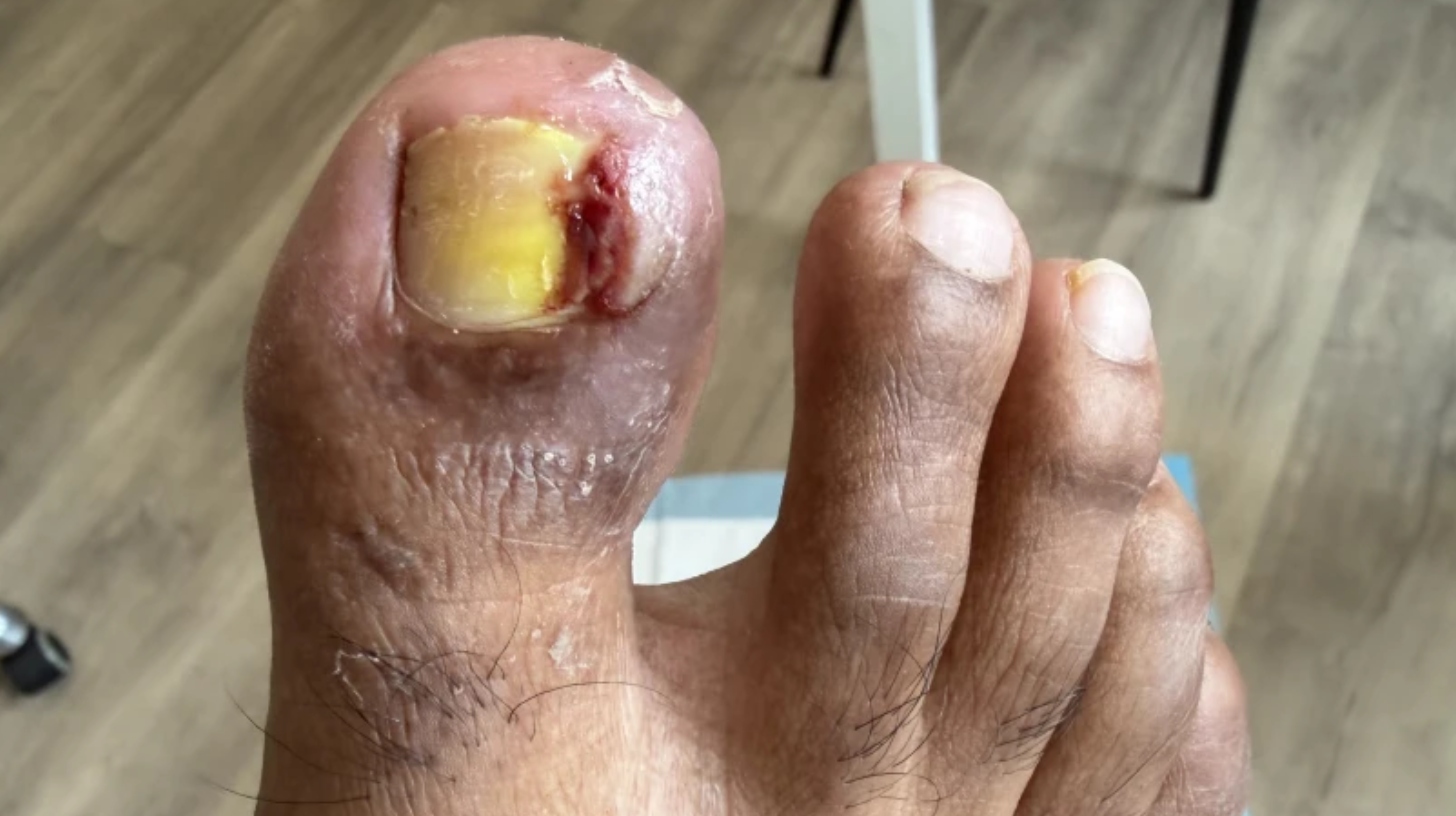
You can tell an ingrown toenail is infected when you see pus or drainage, spreading redness, warmth around the toe, throbbing pain that does not stop, or a bad smell. A plain ingrown toenail is sore and irritated. An infected one behaves differently. The pain becomes constant instead of only hurting when you press on it, and the signs get worse over days instead of better.
Knowing the difference matters. A mild ingrown toenail can often be handled at home, but once infection sets in, home care alone is usually not enough, and waiting can let the infection spread. In rare cases, an untreated infected toe can become a serious, whole-body problem, especially for people with diabetes or poor circulation.
At Northern Ankle Foot Associates, we treat ingrown toenails at every stage, from mild irritation to advanced infection. In this article, we will walk you through the exact signs of infection, how to tell an infected toe from a simple ingrown one, the warning signs that need urgent care, and how a foot specialist treats it.
The Clear Signs an Ingrown Toenail Is Infected
Pus or Drainage
This is the most definitive sign. If you see yellow, white, or greenish fluid seeping from where the nail meets the skin, bacteria have moved in. The discharge may also have an unpleasant smell. Some clear fluid can show up with any irritated toe, but thick, colored pus means infection, plain and simple.
Spreading Redness
Some redness right at the nail corner is normal with an ingrown toenail. The concern is when the redness deepens and spreads beyond the nail fold, up the side of the toe or onto the toe pad. Red streaks that travel from the toe toward the foot are an especially serious sign. That pattern can mean the infection is moving through the lymphatic system, and it needs medical attention right away.
Warmth to the Touch
An infected toe often feels noticeably warmer than the skin around it. There is an easy way to check this at home. Place the back of your hand or your inner wrist against the sore toe, then against the same toe on your other foot. If the affected toe radiates heat that feels clearly different, that warmth points to infection.
Throbbing, Constant Pain
A simple ingrown toenail hurts when you touch it or squeeze into a tight shoe. An infected one throbs on its own, even at rest. The pain can be intense enough to interfere with sleep or make walking difficult. When the discomfort shifts from "only when I press it" to "it hurts all the time," infection is likely.
A Bad Odor
Bacteria growing in the tissue around the nail can produce a strange or foul smell. If you notice an unpleasant odor coming from the toe along with any of the other signs, it is another clue that the toe is infected rather than just irritated.
Overgrown Tissue
In some cases, the soft tissue beside the nail starts to grow up and over the nail edge. This is called hypergranulation tissue, and it forms as the body tries to protect and wall off the area. It usually signals that the ingrown toenail has been infected or irritated for a while and needs professional care.
Infected vs Simple Ingrown Toenail: How to Tell the Difference
The two can look similar at first glance, but they behave differently. This table breaks it down:
The single most telling clue is direction. A simple ingrown toenail holds steady or improves with basic care. An infected one keeps getting worse. If your toe is heading the wrong way after a few days, treat it as an infection.
The Stages of an Ingrown Toenail Infection
Stage 1: Early Irritation
The skin next to the nail is red, mildly swollen, and tender. There is no pus yet. This is the stage where careful home care works best, and it is the best time to act before things escalate.
Stage 2: Worsening and Early Infection
The redness deepens and spreads. Swelling becomes more noticeable. Pain increases, especially with walking or in closed shoes. The area may start to feel warm. If the nail has broken the skin, bacteria can begin entering the tissue. This is the point where the line between irritation and infection is being crossed.
Stage 3: Active Infection
The skin has broken down and bacteria have taken hold. This is when you see clear pus or drainage, pronounced swelling that extends up the toe, constant throbbing pain, obvious heat, and sometimes overgrown tissue. This is a bacterial infection of the nail fold, and it almost always needs professional treatment. Home remedies are not a substitute for care at this stage.
When to Worry: Red Flags That Need Urgent Care
Most infected ingrown toenails are treatable and not dangerous if handled promptly. But certain signs mean you should not wait. Seek medical attention right away if you notice:
- Red streaks spreading from the toe toward your foot or ankle
- Fever, chills, or a general feeling of being unwell
- Increasing pain, swelling, or pus despite home care
- The whole toe or foot becoming swollen and hot
- Numbness or loss of feeling in the toe
These can be signs that the infection is spreading beyond the toe. When an infection enters the bloodstream, it can become a body-wide emergency. That is uncommon with a simple toe infection, but it is exactly why the warning signs should never be ignored, especially if you have a condition that slows healing.
Extra Caution for People With Diabetes or Poor Circulation
If you have diabetes, peripheral neuropathy, or poor blood flow to your feet, an infected ingrown toenail is never something to manage on your own. Reduced sensation can hide how bad the problem really is, and slow healing lets infections take hold and spread faster. What looks like a minor toe issue can turn into a serious foot infection or wound.
We strongly recommend that anyone with diabetes see a foot specialist at the first sign of an ingrown toenail, well before infection has a chance to develop. Our team has advanced training in diabetic foot care, including the kind of wound and infection risks that make even small problems worth taking seriously.
What Gets Mistaken for an Infected Ingrown Toenail
Not every red, painful toe is an infected ingrown nail. A few other conditions can look similar. Paronychia is a skin infection beside the nail that can happen even without the nail growing in. A subungual hematoma is blood trapped under the nail after an injury, which can look dark and feel painful. A fungal nail infection can cause thickening and discoloration that gets confused with other nail problems. And in rare cases, a small growth or tumor under the nail can mimic a chronic ingrown toenail. This is one more reason to have a persistent or worsening toe checked by a specialist rather than guessing.
How a Foot and Ankle Specialist Treats an Infected Ingrown Toenail
The Evaluation
When you come in with an infected ingrown toenail, we first examine the toe to gauge how deep the infection goes and whether it has spread. We check for pus, assess the tissue, and look at your overall foot health, including circulation and any conditions like diabetes that change the treatment plan.
Draining and Clearing the Infection
For an active infection, the first goal is to relieve the pressure and clear the bacteria. This may involve carefully removing the piece of nail that is digging into the skin, which also allows any trapped pus to drain. We do this with sterile instruments in a clean setting, which is very different from trying to dig at it at home. Depending on the severity, oral or topical antibiotics may be prescribed to control the bacterial infection.
Stopping It From Coming Back
Clearing the infection is only half the job. If the underlying ingrown nail is not addressed, the problem often returns. For recurring cases, we may recommend a procedure called a partial nail removal with matrixectomy. This removes the offending nail border and treats the root so that section of nail does not grow back into the skin. It is done right in the office under local anesthesia and has a very low recurrence rate.
Dr. Robyn Joseph and our team focus on treating the root cause, not just the immediate infection. If you want to understand why ingrown toenails keep returning in the first place, we cover that in depth in our guide on why ingrown toenails keep coming back.
Why Not Just Treat It at Home?
We understand the urge to handle it yourself. But digging at an infected nail with clippers or a needle can push bacteria deeper, damage the nail bed, and make the infection worse. It can also increase the chance the nail comes back ingrown. Professional care clears the infection safely and addresses the cause, which saves you from repeated painful episodes.
Frequently Asked Questions
When Should I Be Concerned About an Infected Ingrown Toenail?
You should be concerned when the toe shows clear signs of infection like pus, spreading redness, warmth, and constant throbbing pain, or when home care has not improved things after a few days. Be especially cautious if you notice red streaks moving up the foot, fever, or chills, as these can mean the infection is spreading. Anyone with diabetes or poor circulation should see a specialist at the very first sign of trouble.
How Do I Know if I Have an Ingrown Toenail or Just an Infection?
An ingrown toenail is a mechanical problem where the nail edge grows into the skin, causing pain and irritation. An infection is what can happen next, when bacteria enter the broken skin. You can have an ingrown toenail without infection, and you can have a nail-fold infection without a true ingrown nail. The telltale signs of infection are pus, warmth, spreading redness, and throbbing pain. If those are present, infection is involved, and it is worth having a specialist sort out exactly what is going on.
How Long Can an Ingrown Toenail Stay Infected?
An infected ingrown toenail will not usually clear up on its own and can stay infected for weeks if the underlying nail problem is not fixed. The infection may seem to improve with soaking or antibiotics, then flare again because the nail is still growing into the skin. This is why treating both the infection and the ingrown nail itself is important. Without addressing the root cause, the cycle can continue indefinitely.
What Gets Mistaken for an Infected Ingrown Toenail?
Several conditions can look like an infected ingrown toenail. These include paronychia (a skin infection beside the nail), a subungual hematoma (blood under the nail from injury), a fungal nail infection, and in rare cases, a growth under the nail. Because the treatments differ, a proper diagnosis from a foot specialist is the safest way to be sure, especially when the problem keeps coming back.
Should I Go to the ER for an Infected Ingrown Toenail?
Most infected ingrown toenails do not require the emergency room and are best handled by a foot and ankle specialist. However, you should seek urgent or emergency care if you have red streaks spreading up the foot, a fever, significant swelling of the whole foot, or if you have diabetes and notice any sign of infection. These situations can point to a spreading infection that needs prompt treatment.
What Is the Worst Thing That Can Happen With an Ingrown Toenail?
The worst outcomes involve an infection that is left untreated and spreads. In serious cases, this can lead to a deeper tissue infection, a bone infection, or a body-wide infection entering the bloodstream. For people with diabetes or poor circulation, an untreated infected toe can even progress to a non-healing wound. These outcomes are uncommon and largely preventable with early, proper treatment, which is exactly why the warning signs matter.
Final Thoughts
The signs of an infected ingrown toenail are usually not subtle: pus, spreading redness, warmth, constant throbbing pain, and a bad smell. The clearest signal of all is direction. A simple ingrown toenail holds steady or gets better with basic care, while an infected one keeps getting worse. When your toe is heading the wrong way, it is time to act.
Catching an infection early keeps it small and simple to treat. Waiting lets it grow, spread, and become far more painful and complicated, particularly for anyone with diabetes or circulation problems. You do not have to tough it out or risk making it worse with home surgery.
Our team at Northern Ankle Foot Associates specializes in treating ingrown toenails and toe infections safely and completely. We clear the infection, relieve the pain, and fix the underlying nail problem so it does not keep coming back.
Call us at (516) 365-4545 or visit our Manhasset, NY office to schedule an appointment. A painful, infected toe is one of the easiest problems to fix when you catch it early, so do not wait it out.
Why Choose Northern Ankle Foot Associates

Evaluation Before Treatment
.avif)
Specialist-Led Care
.avif)
Conservative Care First
.avif)
Clear Treatment Path
.avif)
Continuity of Care
.avif)
Long-Term Stability Focus
%201.png)
.avif)
Flexible Financing Options Are Available
%201%20(1).png)
Insights on Foot & Ankle Health


Latest Techniques in Bunion Surgery
.avif)
Orthotics Use and Maintenance | Care Tips for Long-Term Support
Request An Appointment
Get expert foot and ankle care tailored to your needs. Schedule your appointment today.

Areas We Serve
Get expert foot and ankle care tailored to your needs. Schedule your appointment today.
.avif)
%201%20(1).png)


%201.avif)