%201.avif)


Orthotics for Foot Pain
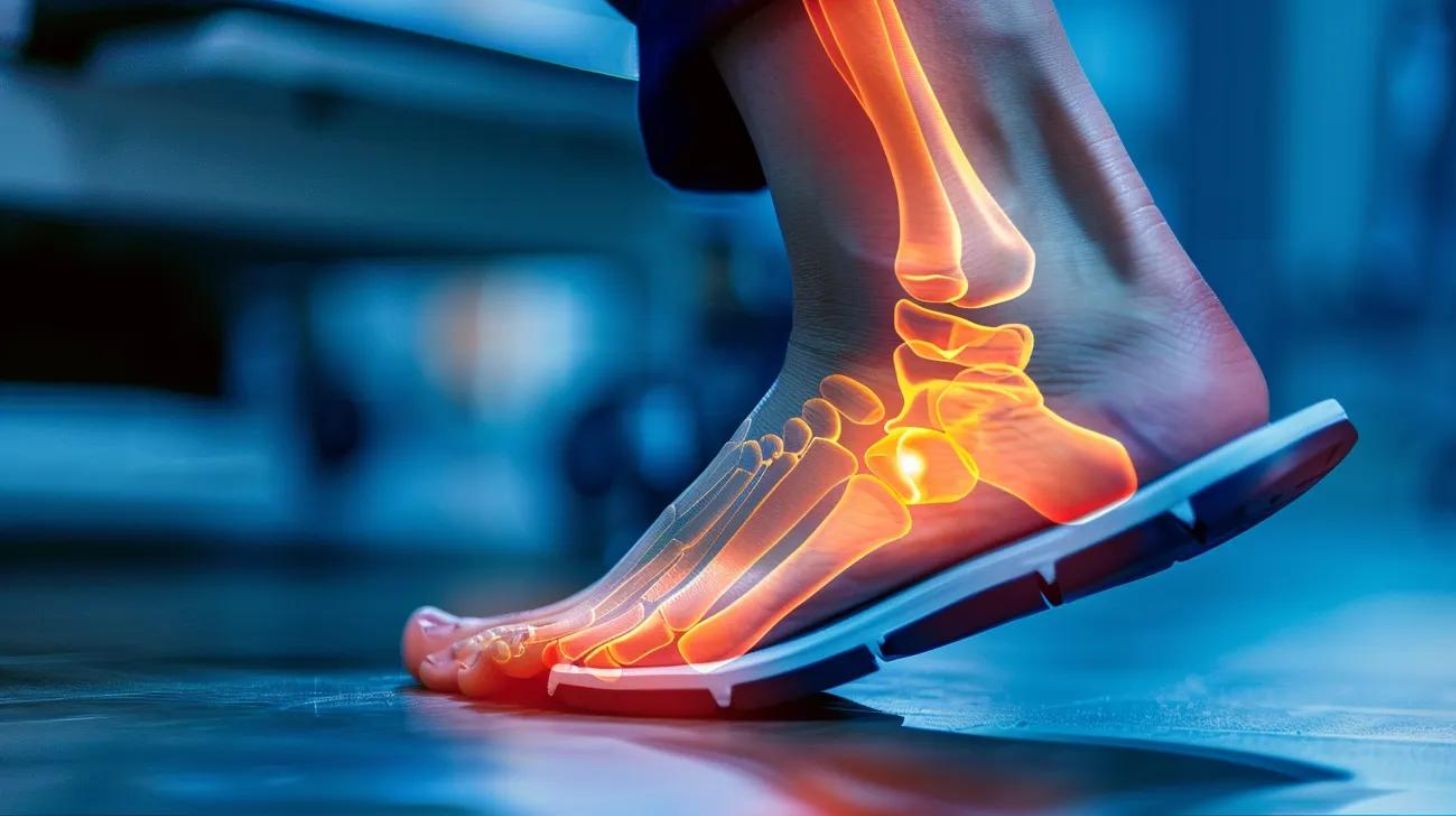
Custom orthotics can help with foot pain. These are prescription shoe inserts made just for your feet. They correct how your foot moves, spread pressure more evenly, and treat the real cause of your pain. Unlike store bought insoles that only add cushion, custom orthotics fix the way your foot works with every step you take. About 81% of American adults say they deal with foot pain at some point in their lives, according to a 2024 survey by the American Podiatric Medical Association. That is a huge number. And yet, most people wait too long to get help. At Northern Ankle Foot Associates, we see this every day. Patients come in after months or even years of pain, thinking they just need to "tough it out." The truth is, the right pair of custom orthotics can change the way you walk, stand, and feel. This article covers everything you need to know. We will explain what custom orthotics are, how they work, what conditions they treat, how they compare to drugstore insoles, what the fitting process looks like, and how to know if they are right for you.
What Are Custom Orthotics for Foot Pain?
Custom orthotics are medical devices that a foot and ankle specialist prescribes to correct problems with your foot structure and movement. They are not the same as the foam or gel inserts you pick up at the pharmacy. Those generic insoles are made to fit the average foot. Custom orthotics are made to fit your foot and no one else's.
Here is how the American Podiatric Medical Association (APMA) puts it. Unless a device has been prescribed by a doctor and crafted for your specific foot, it is a shoe insert, not a custom orthotic. That distinction matters more than most people realize.
Custom orthotics are built from a -, digital scan, or cast of your individual foot. The materials range from soft foams to rigid carbon fiber or plastic, depending on what your foot needs. Some are flexible and cushioning. Others are firm and corrective. The type you get depends on your condition, your activity level, and your foot structure.
Two Main Types of Custom Orthotics
There are two broad categories of custom orthotics. Each one serves a different purpose.
Functional orthotics are semi rigid or rigid. They are made from materials like carbon fiber or thin plastic. Their job is to control abnormal motion. If your foot rolls inward too much when you walk (called overpronation), or if your arch collapses under your weight, a functional orthotic corrects that movement. These are the orthotics most people with chronic foot pain need.
Accommodative orthotics are softer and more cushioning. They are made from foam or gel type materials. Their main purpose is to provide extra support and reduce pressure on sore spots. People with diabetic foot conditions, arthritis, or sensitive feet often benefit from this type.
How Custom Orthotics Differ From Generic Insoles
This is the question we hear the most. And the answer is simple. A store bought insole cushions your foot. A custom orthotic corrects how your foot functions. That is a huge difference.
Store bought insoles are fine for mild, short term comfort. If your feet ache a little after a long day, a decent over the counter arch support might do the trick. But if your pain keeps coming back, if it changes how you walk, or if you have been told you have a structural issue, that is when you need something made for your feet specifically.
How Do Custom Orthotics Work to Relieve Foot Pain?
Custom orthotics work by changing the way forces travel through your foot every time it hits the ground. Think of your feet as the foundation of a building. If the foundation is off, even slightly, everything above it shifts. Your ankles. Your knees. Your hips. Your lower back. Custom orthotics correct that foundation.
Pressure Redistribution
One of the primary ways orthotics help is by spreading pressure more evenly across your foot. When certain spots take too much force (like the heel or the ball of the foot), pain and inflammation follow. Research shows that custom insoles significantly reduce peak plantar pressure and improve overall load distribution. That means less strain on the areas that hurt the most.
Alignment Correction
If your foot rolls inward (overpronation) or outward (supination), it throws off the alignment of your entire lower body. Over time, this leads to pain that can show up in your feet, ankles, knees, and even your back. Custom orthotics hold your foot in a more neutral, stable position. This corrects the chain reaction of misalignment before it causes bigger problems.
Shock Absorption
Every step you take sends force up through your body. The average person takes about 5,000 to 10,000 steps a day, according to the American Podiatric Medical Association. That is a lot of impact. Custom orthotics absorb a portion of that shock, protecting your heel, arch, and joints from repetitive stress.
Support for Weakened Structures
When tendons, ligaments, or arches are damaged or weakened, they can not do their job as well. Custom orthotics step in to provide the structural support those tissues need to heal. They reduce the load on injured areas so your body can recover without you having to stop living your life.
What Foot Conditions Do Custom Orthotics Treat?
Custom orthotics are used to treat a wide range of foot and ankle conditions. They are one of the most common conservative (non surgical) treatments we recommend. Here are the conditions where they make the biggest difference.
Plantar Fasciitis
This is the number one reason people get custom orthotics. Plantar fasciitis causes stabbing pain in the bottom of your foot, usually near the heel. It happens when the thick band of tissue that supports your arch gets inflamed. Over 2 million Americans seek treatment for plantar fasciitis each year. A randomized study found that mechanical treatment with taping and orthotics was effective for 70% of patients, compared to just 30% with anti inflammatory methods alone. Custom orthotics support your arch and take tension off the plantar fascia so it can heal.
Flat Feet (Fallen Arches)
About 60 million Americans (roughly 25% of the population) have flat feet. When your arch collapses, your foot rolls inward with every step. This can lead to pain in the arch, heel, ankle, and even the knee. Custom orthotics provide the arch support your foot is missing and control that inward roll.
Heel Pain and Heel Spurs
Heel pain is one of the most common foot complaints, and heel spurs often go along with it. Research shows that conservative treatment, including custom orthotics, relieves pain in at least 90% of people with heel spurs. The orthotic cushions the heel, reduces impact, and supports the structures around the spur so they stop getting irritated.
Bunions
A bunion is a bony bump that forms at the base of the big toe. It develops when the joint shifts out of alignment. Custom orthotics can not reverse a bunion, but they can slow its progression and reduce pressure on the joint. For many patients, orthotics are an important part of managing bunion pain without surgery.
High Arches (Pes Cavus)
High arches are the opposite of flat feet, but they cause their own set of problems. When your arches are too high, your foot does not absorb shock well. This puts extra stress on the heel and ball of the foot. A study of 154 patients found that custom foot orthotics were more effective than a control for treating cavus foot pain and the functional limits that come with it.
Arthritis in the Feet
Arthritis in the feet causes joint pain, stiffness, and swelling. According to the American Academy of Orthopedic Surgeons, about 90% of patients with rheumatoid arthritis develop symptoms in their feet and ankles. Custom orthotics reduce stress on arthritic joints, improve alignment, and help patients stay mobile.
Diabetic Foot Conditions
If you have diabetes, foot health is critical. Nerve damage and poor circulation put you at risk for ulcers and infections. Diabetic foot care often includes custom orthotics that cushion the foot, reduce friction, and prevent dangerous pressure points from forming. One study found that sensory insoles can reduce foot re ulceration by up to 86% in diabetic patients.
Sports Related Foot and Ankle Pain
Athletes put incredible demands on their feet. Sports injuries like stress fractures and tendon injuries like achilles tendonitis are common in runners, basketball players, and anyone who trains hard. Research published in a systematic review found that foot orthotics are effective for preventing overall injuries and stress fractures in active individuals.
The Custom Orthotics Fitting Process
Getting custom orthotics is not like buying shoes off a rack. It is a clinical process that starts with a thorough evaluation of your feet, your gait, and your medical history.
Step 1: Comprehensive Foot Evaluation
At our practice in Manhasset, New York, the first step is a detailed examination. We look at the structure of your feet, check your arches, assess your range of motion, and evaluate how your joints and tendons are functioning. This is not a five minute once over. We take the time to understand what is actually going on.
Step 2: Gait Analysis
How you walk tells us a lot. We watch you stand and walk to identify abnormal movement patterns. Do your feet roll inward? Do your ankles shift? Is one side compensating for the other? Gait analysis is one of the things that separates a specialist evaluation from a general exam. At Northern Ankle Foot Associates, biomechanical assessment is a core part of how we approach every foot and ankle condition.
Step 3: Foot Scanning or Casting
Once we know what your feet need, we create a precise 3D image or mold of each foot. This can be done with a digital scan, -, or a plaster cast. The method depends on your condition and what type of orthotic we are prescribing. This measurement captures every curve, angle, and pressure point unique to your foot.
Step 4: Fabrication
Your measurements go to a specialty lab where your orthotics are built from medical grade materials. The fabrication process usually takes 1 to 2 weeks. Every detail, from the arch height to the heel depth to the material firmness, is based on your specific prescription.
Step 5: Fitting and Follow Up
When your orthotics arrive, we fit them in your shoes and make any needed adjustments. We also give you guidance on how to break them in. Most people feel a noticeable difference within the first few days of regular wear. Follow up visits help us monitor your progress and fine tune the fit if needed.
Who Needs Custom Orthotics?
Not everyone needs custom orthotics. But for the right person, they can be life changing. Here are some signs that prescription orthotics may be the right call for you.
You have foot pain that comes back no matter what shoes you wear. You notice uneven wear on the bottoms of your shoes, especially on one side. Your feet feel tired, sore, or stiff by the end of the day, even if you were not that active. You have been told you have flat feet, high arches, or a biomechanical issue. Over the counter insoles gave you temporary relief, but the pain returned. You have knee, hip, or lower back pain that might be connected to how your feet move.
A 2004 study of 275 patients who used custom foot orthotics for over a year found that the majority experienced between 60 to 100% relief of symptoms, with only 9% reporting no improvement at all. Those are strong results for a treatment that does not involve surgery, medication, or downtime.
Custom Orthotics for Children
Pediatric foot conditions like flat feet in children can benefit from early orthotic intervention. Children can develop growth plate inflammation with overuse and sport activites if they are not aligned properly Orthotics can help them through this. Research suggests that children's feet go through a critical period where conservative treatment encourages normal development. Getting the right support early can set a child up for a lifetime of pain free walking.
Custom Orthotics vs. Over the Counter Insoles: When to Choose Which
The question is not whether one is "better" than the other. It is about what your feet actually need.
When Store Bought Insoles May Be Enough
If you have mild foot fatigue after long hours on your feet, if you want a little extra cushion in your work boots or sneakers, or if your pain goes away with rest and basic stretching, a quality over the counter insole is a reasonable starting point. Look for one with a firm arch support and a deep heel cup. A flimsy gel pad will not do much.
When You Need Custom Orthotics
If your pain is persistent, recurring, or getting worse over time, it is time to see a specialist. If over the counter insoles have not helped after 2 to 4 weeks of consistent use, a professional evaluation is the next step. Conditions like plantar fasciitis that will not resolve, progressive bunions, diabetic neuropathy, and structural deformities all call for a prescription level solution.
Here is another way to think about it. Store bought insoles are like reading glasses from the drugstore. They work for mild, common issues. Custom orthotics are like prescription lenses from an eye doctor. They are made specifically for what your eyes (or in this case, your feet) need to function properly.
How Long Do Custom Orthotics Last?
A well made pair of custom orthotics typically lasts 3 to 5 years with proper care. That is significantly longer than store bought insoles, which usually break down in 3 to 6 months.
Factors That Affect Lifespan
Your activity level matters. If you run, hike, or play sports regularly, your orthotics will wear faster than if you use them mainly for walking and daily activities. Your weight, the types of shoes you wear, and how well you take care of them also play a role.
How to Care for Your Orthotics
Keep them clean by wiping them down regularly. Avoid exposing them to extreme heat (like leaving them in a hot car). Remove them from your shoes at night to let them air out. Replace them when you start to notice the material breaking down or when your feet feel less supported than before. If you have questions about custom orthotics care and maintenance, we are happy to help.
Are Custom Orthotics Covered by Insurance?
Many insurance plans do cover custom orthotics when they are prescribed by a podiatrist. Coverage varies by plan, but it is often more affordable than people expect. At Northern Ankle Foot Associates, our team helps verify insurance coverage before treatment begins so you know exactly what to expect.
You can also use FSA (Flexible Spending Account) or HSA (Health Savings Account) funds to pay for custom orthotics, since they qualify as a medical expense. Even without insurance coverage, when you compare the cost of one pair of orthotics that lasts 3 to 5 years versus buying new insoles every few months, the long term math often works in favor of the custom option.
The Growing Need for Orthotic Care
Foot pain is not just a personal inconvenience. It is a growing public health concern.
According to the 2025 Foot Pain Trends Report, 63% of 2,000 surveyed adults reported foot pain in the past year, with a rise in acute cases compared to the year before. Nearly 47% of people who experience foot pain also report back pain, showing how closely foot problems are tied to full body discomfort. Americans spend an estimated $4 billion annually on products and treatments for foot pain.
The global foot orthotic insoles market was valued at about $4.06 billion in 2025, with custom made orthotics holding over 54% of that market share. That tells you something. More and more people are choosing prescription solutions over generic ones because they work better and last longer.
The foot has 26 bones, 33 joints, and over 100 ligaments. It is one of the most complex structures in the human body. When something goes wrong in that structure, a one size fits all approach rarely fixes it. That is why specialists exist.
Why a Foot and Ankle Specialist Should Prescribe Your Orthotics
Where you get your orthotics matters just as much as the orthotics themselves.
A lot of places sell "custom" orthotics these days. Shoe stores, kiosks at the mall, online companies. But having someone step on a pressure pad and ship insoles to your door is not the same as a clinical evaluation by a trained specialist.
At Northern Ankle Foot Associates, orthotics are prescribed as part of a complete treatment plan. Dr. Robyn Joseph and our clinical team evaluate every patient's biomechanics, gait patterns, and lower extremity alignment before making a recommendation. We do not just treat the symptom. We find the root cause of the pain and address it directly.
This is exactly why a specialized foot and ankle team is the right choice for orthotic care. We look at the full picture. Your foot structure. How you walk. What conditions you have. What shoes you wear. What activities you do. All of it goes into the prescription. That level of detail is what makes the difference between an orthotic that sort of helps and one that truly changes your life.
Frequently Asked Questions
How Long Does It Take for Custom Orthotics to Relieve Foot Pain?
Most people notice improvement within the first 1 to 2 weeks of consistent wear. Some patients feel better within the first few days. It depends on the severity of your condition and how your body adapts. We recommend wearing them for a few hours a day at first and gradually increasing wear time.
Can Custom Orthotics Help With Knee and Back Pain?
Yes, in many cases they can. Since your feet are the foundation of your body, misalignment at the foot level can cause pain all the way up through the knees, hips, and lower back. Research from the University of Kentucky found moderate evidence that custom foot orthotics improve pain and function in adults with chronic low back pain after seven weeks of use.
Do I Need a Referral to Get Custom Orthotics?
In most cases, no. You can schedule a direct appointment with a podiatrist for an evaluation. However, some insurance plans may require a referral from your primary care doctor. Our office can help you figure out what your plan requires before your visit.
Can I Wear Custom Orthotics in Any Shoe?
Custom orthotics can fit in most shoes, but not all. They work best in shoes with removable insoles, like sneakers, work shoes, and casual shoes. Very tight shoes, high heels, or shoes with shallow interiors may not have enough room. We help patients choose footwear that works well with their orthotics during the fitting process.
Are Custom Orthotics Worth the Cost Compared to Store Bought Insoles?
For anyone with a chronic or structural foot problem, yes. Custom orthotics last 3 to 5 years and treat the actual cause of your pain. Store bought insoles wear out every few months and only provide surface level cushioning. Over time, custom orthotics often cost less and deliver far better results.
How Often Should Custom Orthotics Be Replaced?
Most custom orthotics last 3 to 5 years. If you are very active, have experienced a significant change in weight, or notice the material starting to wear down, it may be time for a new pair sooner. We recommend checking in with your podiatrist annually to assess fit and condition.
Can Children Benefit From Custom Orthotics?
Absolutely. Children with flat feet, in toeing, gait problems, or growing pains can see significant improvement with properly prescribed orthotics. A study of 20 children with growing pains found that custom molded rigid foot orthotics improved their symptoms. Early intervention during key growth years can promote healthy foot development and prevent issues later in life.
Final Thoughts
Foot pain is common, but that does not mean it is something you should just live with. Custom orthotics offer a proven, non surgical solution that treats the actual cause of your pain, not just the symptoms. They correct how your foot moves, spread pressure where it needs to go, and support the structures that keep you walking, working, and living without discomfort.
Whether you are dealing with plantar fasciitis, flat feet, heel pain, bunions, arthritis, or a sports injury, a properly prescribed pair of custom orthotics can make a real difference. And the key word there is "properly prescribed." The best results come from a thorough evaluation by a foot and ankle specialist who understands your specific biomechanics.
At Northern Ankle Foot Associates in Manhasset, New York, our team specializes in exactly this kind of care. We evaluate the root cause, recommend the right solution, and walk with you through every step of the process. If you are tired of foot pain holding you back, give us a call at (516) 365 4545 or request an appointment online. Your feet carry you everywhere. It is time to give them the support they deserve.
Why Choose Northern Ankle Foot Associates

Evaluation Before Treatment
.avif)
Specialist-Led Care
.avif)
Conservative Care First
.avif)
Clear Treatment Path
.avif)
Continuity of Care
.avif)
Long-Term Stability Focus
%201.png)
.avif)
Flexible Financing Options Are Available
%201%20(1).png)
Insights on Foot & Ankle Health

Latest Techniques in Bunion Surgery
.avif)
Orthotics Use and Maintenance | Care Tips for Long-Term Support
Request An Appointment
Get expert foot and ankle care tailored to your needs. Schedule your appointment today.

Areas We Serve
Get expert foot and ankle care tailored to your needs. Schedule your appointment today.
.avif)
%201%20(1).png)


%201.avif)