Orthotics vs Insoles: Difference You Need to Know
Orthotics and insoles are not the same thing even though many people use these words like they mean the same thing. Here’s the short answer: insoles are general shoe inserts that add cushioning and comfort. Orthotics are medical-grade devices built to correct how your foot moves, stands, and absorbs impact.
Both go inside your shoe. Both can help your feet feel better. But they serve very different purposes. Picking the wrong one could mean wasting money or worse, not solving the real problem.
In this article, we break down exactly how orthotics and insoles differ, when each one makes sense, what they cost, and how to know if it’s time to see a foot and ankle specialist. Whether you’re dealing with heel pain, arch soreness, or just tired feet from a long day, this guide will help you take the right step.
What Are Insoles?
The Basics of Store-Bought Insoles
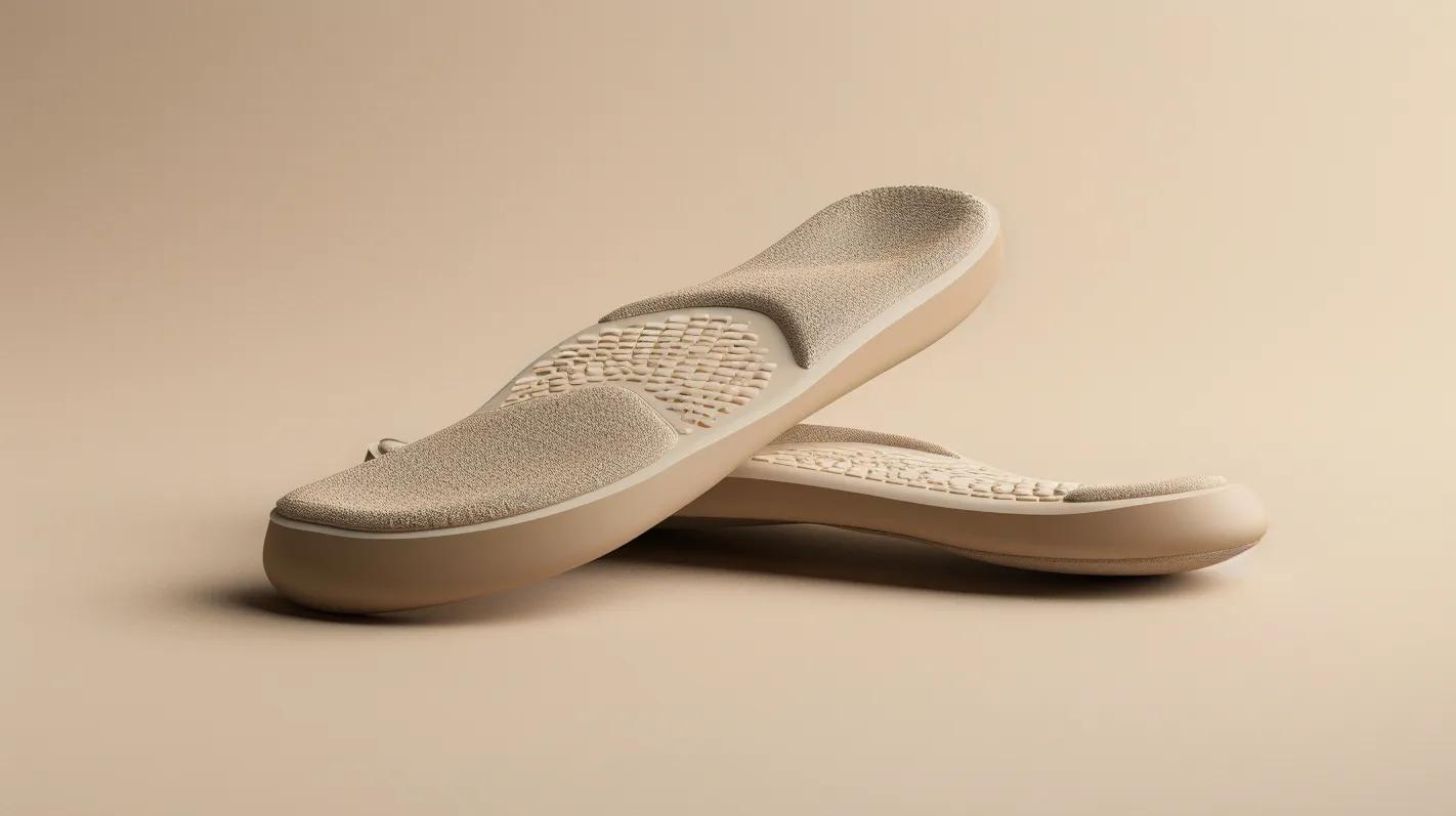
Insoles are removable inserts you place inside your shoes. They sit under the sole of your foot and are sometimes called “footbeds” or “shoe inserts.” Most shoes come with a thin factory insole that offers very little support. Replacing it with a better insole can make a noticeable difference in how your shoes feel.
You can find insoles at most drugstores, shoe stores, and online retailers. They come in standard sizes and are often trimmed with scissors to fit your shoe. Most are made from foam, gel, or a mix of soft materials.
What Insoles Do Well
Insoles are great for adding a layer of comfort. Think of them like a cushion for your feet. They work well for people who deal with mild foot tiredness after standing or walking for long periods. If your shoes feel too flat or hard, a good insole can make them much more comfortable.
Here’s what insoles can help with:
- General foot fatigue from standing all day
- Minor arch discomfort
- Extra cushioning during exercise or walking
- Making an old pair of shoes feel better
However, insoles are not built to fix the way your foot moves. They don’t correct alignment. They don’t address the root cause of ongoing foot pain. They are a comfort solution not a medical one.
How Long Do Insoles Last?
Most over-the-counter insoles last about six to twelve months with daily use. The soft foam and gel materials compress over time and lose their cushioning. Once they flatten out, they no longer do much for your feet. Many people end up buying new insoles several times a year, which can add up.
What Are Orthotics?
A Medical Device, Not Just a Cushion
Orthotics are a step above insoles in every way. Custom orthotics are medical devices designed by a foot and ankle specialist like a podiatrist based on a detailed assessment of your feet, your gait (the way you walk), and your specific condition.
At our practice, we use custom orthotic scans to create a precise picture of your foot structure and pressure points. This scan guides the creation of an orthotic that fits your foot and your foot alone.
Unlike insoles, orthotics are made from firm or semi-rigid materials like medical-grade plastic, graphite, or specialized EVA foam. They are built to control motion, redistribute pressure, and correct how your foot interacts with the ground with every step you take.
Types of Orthotics
There are two main types:
Functional (rigid) orthotics are made from firm materials. They control abnormal foot motion and are commonly used for conditions like overpronation, flat feet, and plantar fasciitis. These are best for everyday walking shoes and dress shoes.
Accommodative (soft) orthotics use softer, cushioned materials. They are designed to provide support and relieve pressure in specific areas. These are often recommended for patients with diabetic foot concerns or arthritis, where pressure relief is the main goal.
How Long Do Orthotics Last?
Custom orthotics are far more durable than insoles. Most last between two and five years with regular use. Some can last even longer with proper care. That durability is one of the biggest reasons they can be a better long-term investment.
Orthotics vs Insoles: A Side-by-Side Look
Understanding the key differences between orthotics and insoles helps you make a smarter choice. Here’s a quick comparison:
| Feature | Insoles | Custom Orthotics |
| Purpose | Add comfort and cushioning | Correct alignment and treat conditions |
| Materials | Foam, gel, soft materials | Medical-grade plastic, graphite, firm EVA |
| Customization | Standard sizes (trim to fit) | Custom-made from foot scans or molds |
| Lifespan | 6–12 months | 2–5 years |
| Cost | $10–$80 | $200–$600 |
| Prescription Needed? | No | Often yes, from a podiatrist |
| Conditions Treated | Mild discomfort, fatigue | Plantar fasciitis, flat feet, diabetic foot care, bunions, and more |
| Where to Get Them | Drugstores, shoe stores, online | Foot and ankle specialist’s office |
The takeaway here is straightforward: insoles handle comfort; orthotics handle correction. Both have a place, but they are not interchangeable for every situation.
When Are Insoles Enough?
Mild Discomfort and Everyday Wear
Insoles are a reasonable first step if your foot pain is mild and comes and goes. Maybe your feet ache after a long shift at work. Maybe your running shoes need a little extra cushion. Maybe you just want a softer landing with each step.
In cases like these, a quality over-the-counter insole can make a real difference. Look for one that matches your arch type whether you have flat feet, high arches, or a neutral arch. The right match matters more than the brand name.
A good rule of thumb: if your foot pain gets better with rest, stretching, and a quality insole within two to four weeks, an insole may be all you need.
Tips for Choosing the Right Insole
Not all insoles are the same. Here are a few things to keep in mind when picking one:
For flat feet, look for insoles with firm arch support and a motion control design. For high arches, choose insoles with extra cushioning and a contoured shape that follows your arch. For neutral arches, a moderate-support insole with good heel cushioning works well.
Also, consider what shoes you’ll wear them in. A thick insole designed for athletic shoes won’t work well in a dress shoe. Make sure the insole fits the shoe without making it too tight.
When Do You Need Orthotics?
Chronic or Recurring Foot Pain
If your foot pain sticks around or keeps coming back it’s a sign that something deeper may be going on. Insoles can mask symptoms for a little while, but they can’t fix the root cause of pain tied to how your foot is structured or how you walk.
Custom orthotics may be the better choice if you have:
- Persistent heel pain that doesn’t improve with rest or stretching
- Flat feet or fallen arches causing pain in your ankles, knees, or lower back
- Overpronation (your foot rolling inward too much when you walk)
- High arches that lead to pain on the outside of your foot
- Bunions or hammertoes that affect your comfort and gait
- Diabetes or neuropathy that requires careful pressure management
- Sports injuries or recurring strain from athletic activity
- Pain in your knees, hips, or lower back that may be linked to your foot mechanics
Research published by the National Institutes of Health has shown that custom orthotics can be effective for improving dynamic balance and redistributing pressure across the foot. Studies have also found that foot orthotics may help reduce the risk of certain injuries, making them a valuable tool for both treatment and prevention.
The Role of Biomechanical Assessment
One of the things that sets custom orthotics apart is the process behind them. A foot and ankle specialist doesn’t just look at your foot. They look at the whole picture how you walk, how your foot lands, how your ankle moves, and how your body distributes weight.
At Northern Ankle Foot Associates, we take a biomechanics-driven approach. Dr. Robyn Joseph and our team assess gait, alignment, and lower-extremity function as part of our evaluation. This allows us to identify the root cause of your pain, not just the symptom. It’s this kind of detailed evaluation that makes custom orthotics so much more effective than a one-size-fits-most insole from the store.
The Cost Question: Are Custom Orthotics Worth the Investment?
Breaking Down the Numbers
Let’s be honest custom orthotics cost more upfront. You can expect to pay somewhere between $200 and $600 for a pair of custom orthotics, depending on materials and complexity. In comparison, store-bought insoles run about $10 to $80.
But here’s the thing many people overlook: custom orthotics last much longer. If a pair of custom orthotics lasts you five years at $350, that’s about $70 a year or roughly $6 a month. If you’re buying new insoles every six months at $40 each, you’re spending about $80 a year without getting the corrective benefits.
Many insurance plans also cover custom orthotics when prescribed by a podiatrist for a medical condition. It’s always worth checking with your insurer.
The Hidden Cost of the Wrong Choice
Here’s something that doesn’t show up on a price tag: the cost of using the wrong insert. Wearing an insole that doesn’t match your foot type or condition can sometimes create new problems. Too much arch support in the wrong spot can lead to ankle sprains. Too little support can allow a condition like plantar fasciitis to get worse over time.
That’s why getting a professional evaluation matters especially when the pain is persistent or you have a known foot condition.
Can You Use Orthotics and Insoles Together?
This is a question we hear often. In most cases, you wouldn’t use both at the same time, because custom orthotics are designed to replace your shoe’s existing insole entirely. They already include the right balance of cushioning and support for your specific needs.
However, there are some cases where a foot and ankle specialist might recommend a combination approach for example, using orthotics in your everyday shoes and a quality insole in a pair of casual shoes where your orthotics don’t fit.
The best approach is to talk with your podiatrist about your daily routine, the shoes you wear, and what kind of support each pair needs.
Common Conditions Where Orthotics Make a Real Difference
Plantar Fasciitis
Plantar fasciitis is one of the most common reasons people seek out orthotics. It happens when the band of tissue along the bottom of your foot becomes irritated and inflamed, causing sharp heel pain especially with your first steps in the morning.
While insoles may help with mild cases, custom orthotics can provide the structured arch support and pressure redistribution that many people with plantar fasciitis need for lasting relief. Research from podiatric journals suggests that orthotics can be part of an effective treatment plan for this condition.
Flat Feet and Overpronation
When your arches are low or collapsed, your foot tends to roll inward with each step. This puts extra stress on your ankles, knees, and even your lower back. Custom orthotics help control that inward roll and support the arch in a way that generic insoles can’t match.
Diabetic Foot Care
For people living with diabetes, foot care is critical. Reduced sensation from neuropathy means you might not feel a small wound or pressure point until it becomes a serious problem. Custom orthotics designed for diabetic foot care help redistribute pressure and reduce the risk of complications like ulcers.
Sports-Related Foot Pain
Athletes and active individuals put a lot of repetitive stress on their feet. Custom orthotics designed for your specific sport can help with shock absorption, alignment, and injury prevention. Whether you’re a runner, a weekend basketball player, or someone training hard at the gym, the right orthotic can keep your feet performing at their best and help prevent sports injuries.
Bunions and Hammertoes
Structural deformities like bunions and hammertoes can make it hard to find comfortable shoes. Orthotics can be made to accommodate these conditions, reduce pressure on the affected joints, and slow the progression of the deformity in some cases.
What to Expect When Getting Custom Orthotics
If you’re considering custom orthotics, here’s a quick look at what the process typically involves.
Step 1: Evaluation. Your foot and ankle specialist will conduct a thorough assessment. This includes checking your foot structure, evaluating your gait, and understanding your symptoms, lifestyle, and goals.
Step 2: Scanning or casting. Using advanced technology like 3D foot scans or pressure mapping, your specialist creates a detailed image of your foot. This is the blueprint for your orthotics.
Step 3: Fabrication. Your orthotics are made in a lab using the materials and design that match your specific needs.
Step 4: Fitting and adjustments. Once your orthotics are ready, you’ll come in for a fitting. Your specialist will make sure they feel right in your shoes and make any adjustments if needed.
It’s normal for new orthotics to take a little time to break in. Most people adjust within a week or two.
Do Insoles Ever Cause Problems?
It’s worth noting that not every insole is harmless. Picking the wrong type of insole one that doesn’t match your arch type or foot mechanics can sometimes lead to new aches and pains. An insole with too much arch support might cause lateral ankle discomfort. One with too little support might let a developing condition get worse.
That’s one of the reasons we always recommend a professional evaluation if you’re dealing with ongoing pain. Sometimes the best thing a good insole can do is buy you time until you can see a specialist who can look at the bigger picture.
Frequently Asked Questions
Are Orthotics the Same as Insoles?
No. Insoles are general comfort inserts you can buy at most stores. Orthotics are medical-grade devices often custom-made that correct foot alignment and treat specific conditions. They differ in materials, design, purpose, and how they’re made.
Can I Buy Orthotics Over the Counter?
Yes, there are over-the-counter orthotic products available. These are a step above basic insoles and can help with mild to moderate issues. However, they are not custom-made and won’t provide the same level of correction as prescription orthotics from a podiatrist.
How Do I Know If I Need Orthotics or Insoles?
If your foot pain is mild and improves with rest and a good insole, you may not need orthotics. But if your pain is persistent, recurring, or tied to a specific condition like plantar fasciitis, flat feet, or diabetes, it’s a good idea to consult a foot and ankle specialist.
Will Insurance Cover My Orthotics?
Many insurance plans do cover custom orthotics when they are prescribed for a medical condition. Coverage varies by plan, so it’s important to check with your insurer ahead of time.
How Long Does It Take to Get Used to Orthotics?
Most people adjust to new orthotics within one to two weeks. It’s common to feel a little different at first since the orthotic is changing how your foot interacts with your shoe. Gradually increasing wear time during the first few days can help.
Final Thoughts
Choosing between orthotics and insoles comes down to what your feet actually need. If your goal is basic comfort and a little extra cushioning, a quality insole is a smart and affordable starting point. But if you’re dealing with ongoing foot pain, a structural issue, or a condition like plantar fasciitis, flat feet, or diabetic neuropathy, custom orthotics can provide the targeted support and correction that insoles simply can’t.
The key is not to guess and not to assume all foot support products are the same. Your feet are the foundation of your entire body. When they’re off, everything above them can be affected too.
At Northern Ankle Foot Associates, our team specializes exclusively in foot and ankle care. We take a detailed, biomechanics-driven approach to understanding your pain and finding the right solution whether that’s a custom orthotic, a different treatment, or a combination of both. If you’ve been living with foot discomfort and aren’t sure which direction to go, we’re here to help.
Contact us today to schedule an evaluation and take the first step toward better foot health.